If you’re wondering how to clean your washing machine, you’re asking the right question. A washer cleans your clothes, but it doesn’t automatically clean itself. Detergent residue, mold, mineral deposits, and bacteria slowly build up inside the drum, gasket, filter, and hoses.
This guide explains how to clean a washing machine properly, how to deodorize a washing machine, and how to disinfect a washing machine using natural or commercial methods. Whether you own a front-load or top-load unit, you’ll find clear, step-by-step instructions below.
How Do You Clean a Washing Machine?
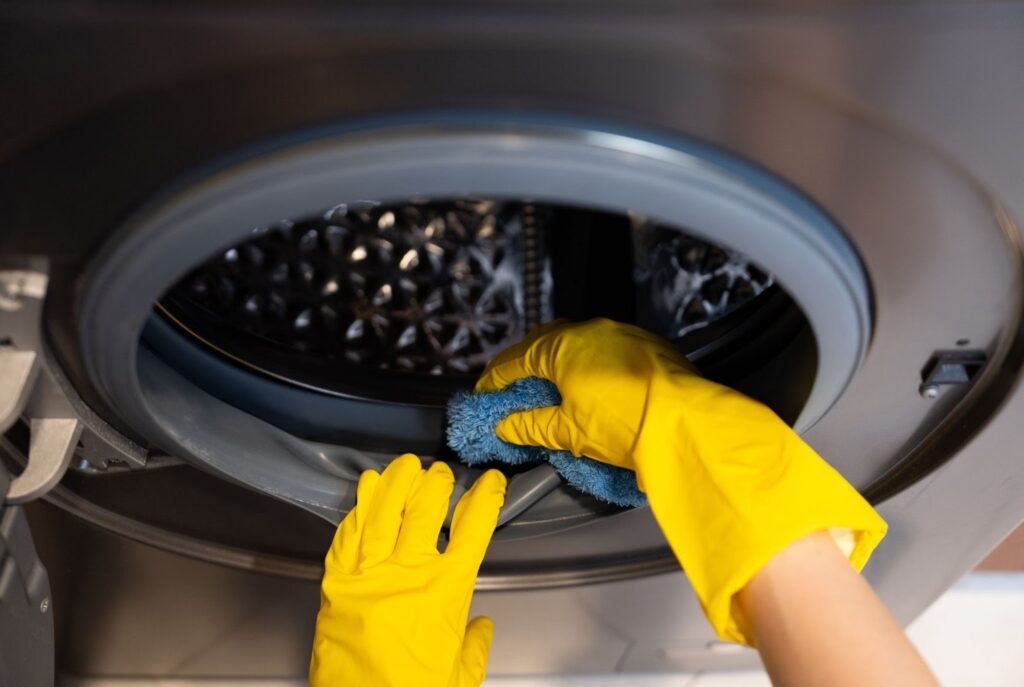
To clean your washing machine, run an empty hot cycle with a cleaning agent such as white vinegar, baking soda, a washing machine tablet, or a manufacturer-approved cleaner. Then wipe the drum, rubber seal, detergent drawer, and filter to remove hidden residue and mold.
Cleaning your machine matters because trapped moisture and detergent buildup create odor and bacteria over time. Even a brand-new washer can develop buildup in weeks with regular use.
For most households, washing machine drum cleaning should be done monthly. Heavy use or hard water areas may require cleaning every two weeks.
Why You Need to Clean Your Washing Machine Regularly
What Builds Up Inside a Washing Machine Over Time
A washing machine handles water, detergent, dirt, body oils, and fabric fibers daily. Over time, several contaminants accumulate:
- Detergent residue: Excess soap sticks to the drum and internal parts.
- Limescale: Mineral deposits form in hard water areas.
- Mold and mildew: Moist environments, especially in front-load gaskets, trap moisture.
- Lint and debris: Fabric particles collect in filters and crevices.
- Biofilm: A slimy bacterial layer that forms when residue and moisture combine.
This buildup leads to odor, reduced cleaning performance, and potential hygiene concerns.
Signs Your Washing Machine Needs Cleaning Now
If you notice any of the following, cleaning should happen immediately:
- Laundry smells musty after washing
- Black spots on the rubber seal
- Visible residue in the detergent drawer
- Slow drainage or filter blockage
- Persistent sour smell inside the drum
A smelly washing machine usually indicates mold growth or detergent buildup.
How to Clean a Front-Load Washing Machine
What You Will Need
- White vinegar
- Baking soda
- Microfiber cloth
- Old toothbrush
- Mild detergent
- Bowl of warm water
Step-by-Step: Front-Load Washing Machine Cleaning Process
- Remove all laundry from the drum.
- Pour 2 cups of white vinegar directly into the drum.
- Run the hottest, longest cycle available.
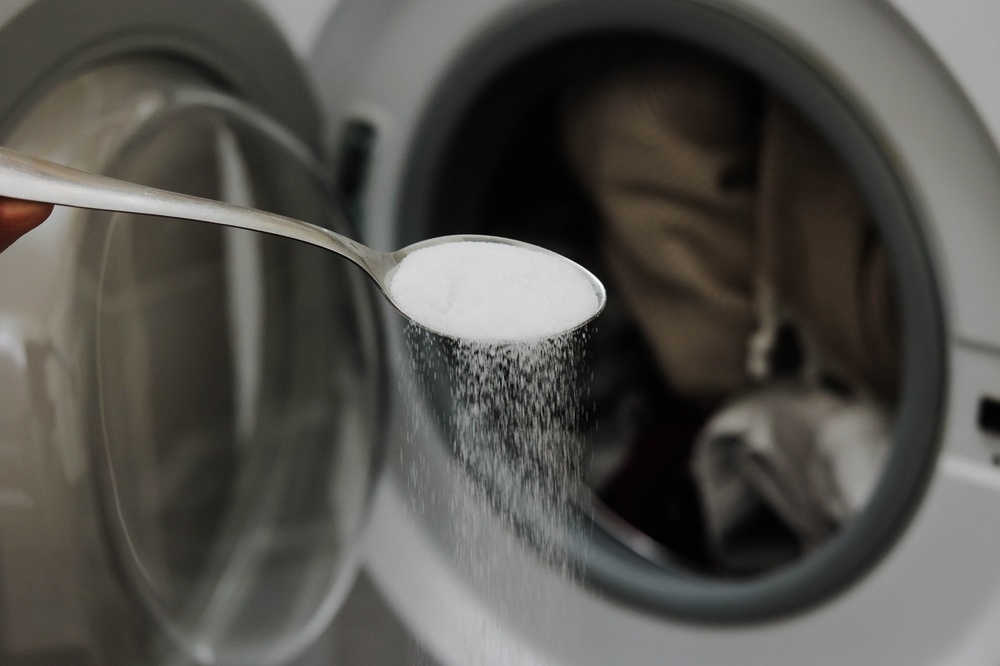
- After the cycle finishes, add ½ cup baking soda into the drum.
- Run a second hot cycle.
- Open the door and wipe the drum with a clean cloth.
- Pull back the rubber seal and scrub inside folds with vinegar solution.
- Remove the detergent drawer and soak it in warm, soapy water.
- Locate and clean the washing machine filter behind the bottom access panel.
- Leave the door and drawer open to air dry completely.
This method also works if you want to clean washing machine naturally or clean washing machine without bleach.
How to Clean a Top-Load Washing Machine
How Top-Load Cleaning Differs From Front-Load
Top-load washers lack a rubber door gasket, which reduces mold risk. They allow soaking because the drum fills vertically. Cleaning focuses on the agitator or impeller and drum rim.
Step-by-Step: Top-Load Washing Machine Cleaning Process
- Set the washer to the hottest water setting.
- Fill the drum with hot water.
- Add 4 cups white vinegar.
- Let the machine agitate briefly, then pause the cycle.
- Allow the vinegar solution to soak for 30–60 minutes.
- Resume and complete the wash cycle.
- Add 1 cup baking soda and run another hot cycle.
- Wipe the inside of the drum and lid thoroughly.
- Clean the filter if accessible per your manual.
This method explains how to clean your washing machine with vinegar and how to clean your washing machine with baking soda effectively.
Real-World Scenario: The Mystery of the Smelly Clean Laundry
Case Study
A household noticed that freshly washed towels smelled sour within hours. Detergent was increased, and fabric softener was added, yet the odor persisted.
Inspection revealed black residue inside the front-load rubber seal and thick detergent buildup in the drawer. A deep cleaning cycle using vinegar and baking soda was performed, followed by scrubbing the gasket and cleaning the filter.
After cleaning, the sour smell disappeared. Towels dried without odor, and detergent amounts were reduced moving forward. The issue was never the laundry. It was the washer itself.
Washing Machine Cleaning Methods
Different cleaning agents serve different purposes. Choosing the right one depends on the type of buildup present.
Table 1: Washing Machine Cleaning Agents — Comparison Guide
| Cleaning Agent | Best For | Pros | Cons | Usage |
| White Vinegar | Odor, bacteria, light limescale | Natural, inexpensive, widely available | Strong smell during cycle; not for heavy buildup | 2 cups in drum; hot cycle |
| Baking Soda | Odor neutralization, mild scrub | Safe, natural, boosts vinegar effectiveness | Low cleaning power alone; must be combined | 1/2 cup in drum after vinegar cycle |
| Washing Machine Tablets | All-in-one deep clean | Convenient, precise dosage, effective | Higher cost than DIY options | 1 tablet in drum; hot cycle |
| Bleach (diluted) | Heavy mold/mildew disinfection | Strong disinfectant; highly effective | Harsh fumes; not suitable for all machines or materials | 1/2 cup in drawer; hot cycle — check manual first |
| Citric Acid | Limescale and mineral buildup | Natural, very effective on hard water scale | Less effective on biological buildup (mold/bacteria) | 100g dissolved in drum; hot cycle |
| Commercial Descaler | Heavy limescale in hard water areas | Purpose-built for mineral deposits | Chemical-based; higher cost | Per product instructions; hot cycle |
Table 2: Front-Load vs. Top-Load Cleaning Differences at a Glance
| Factor | Front-Load Washer | Top-Load Washer |
| Mold Risk | High — rubber gasket traps moisture | Lower — no door gasket |
| Cleaning Frequency | Every 2–4 weeks recommended | Monthly is usually sufficient |
| Key Problem Area | Rubber door seal and drum | Agitator/impeller and drum rim |
| Filter Location | Bottom front access panel | Varies — check manual; some not user-accessible |
| Soak Method | Not possible — door seals horizontally | Yes — fill drum and pause cycle to soak |
Table 3: Washing Machine Cleaning Frequency Guide
| Component | Cleaning Frequency | Method | Time Required |
| Full drum cycle (vinegar/tablet) | Monthly (every 2 weeks for heavy use) | Empty hot cycle with cleaning agent | 60–90 minutes |
| Rubber door gasket (front-load) | After every wash (wipe) + monthly (scrub) | Microfiber cloth + vinegar solution | 2–5 minutes per wipe |
| Detergent drawer | Monthly | Remove, soak, scrub with toothbrush | 10–15 minutes |
| Machine filter | Every 1–3 months | Remove, clear debris, rinse under tap | 5–10 minutes |
| Machine exterior | Monthly | Damp cloth with mild cleaner | 3–5 minutes |
Tips to Keep Your Washing Machine Cleaner for Longer
Common Mistakes That Make Your Washing Machine Dirtier Faster
- Using too much detergent → Measure precisely.
- Closing the door immediately after washing → Let air circulate.
- Skipping filter checks → Inspect quarterly.
- Ignoring hard water buildup → Use a descaler regularly.
Professional Appliance Technician Best Practices
Technicians recommend running a hot maintenance cycle monthly, wiping seals after each wash, and checking inlet hose screens yearly. Hard water households benefit from periodic citric acid treatments.
Trends & Data Points
Home appliance maintenance studies show that regular washer cleaning extends machine lifespan and improves washing efficiency. Manufacturers increasingly recommend monthly drum-clean cycles for performance longevity.
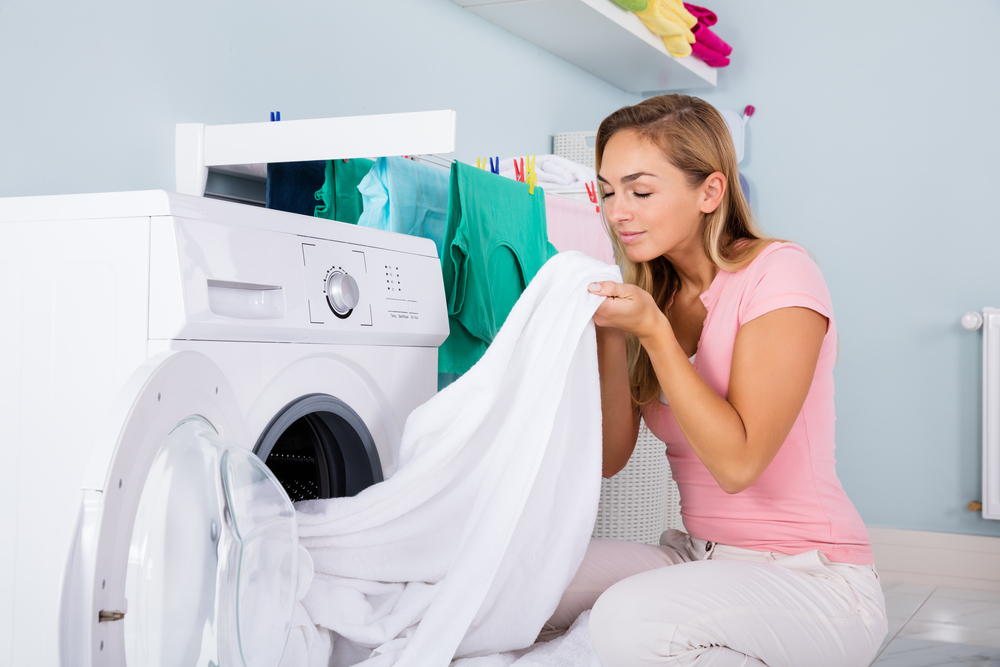
A Clean Machine Makes Cleaner Clothes
A washing machine works harder than most appliances in your home. Regular maintenance prevents odor, improves performance, and protects fabric quality. Set a monthly reminder and follow a simple cleaning routine.
If laundry care feels overwhelming, professional facilities can help. SpinXpress, a full-service wash & dry laundromat in Corpus Christi, offers clean, well-maintained machines for reliable results.
References
- U.S. Environmental Protection Agency – Mold & Moisture Guidelines
- American Cleaning Institute – Laundry Care Resources
Frequently Asked Questions (FAQs)
Can you use vinegar to clean a washing machine?
Yes. White vinegar helps remove odor, bacteria, and light mineral buildup. Use it in an empty hot cycle.
How do I get rid of the smell in my washing machine?
Run a hot cycle with vinegar, clean the rubber seal and drawer, and leave the door open after washing to prevent moisture buildup.
How do I clean the rubber seal on my washing machine?
Pull back the folds of the gasket and scrub with a cloth soaked in vinegar solution. Dry thoroughly afterward.
What happens if you never clean your washing machine?
Detergent residue, mold, and bacteria accumulate, leading to odor, poor washing performance, and potential hygiene concerns.
Is bleach or vinegar better for cleaning a washing machine?
Bleach is stronger for heavy mold. Vinegar is a natural option for routine maintenance and odor control.