Anyone searching for how to clean a front loading washing machine usually wants clear steps that actually work. Front-load washers are great for saving water and getting clothes thoroughly clean, but they’re also known for developing musty smells, mold around the gasket, and buildup in hidden areas.
Many front-load washer issues come down to simple maintenance habits and choosing the right cleaning approach. The good news is that getting rid of odors and keeping the machine fresh is easier than most people think. So If you’ve ever opened your washer and wondered, “Why does this smell?” or “Did I miss something while cleaning?”, this guide is for you.
This guide breaks down the exact steps, explains why front-loaders get smelly in the first place, and shows you what to use to clean front load washers, how often to clean, and how to prevent odors from coming back.
Why Do Front-Loading Washing Machines Get Musty and Moldy?
Many front-load washers build up mold faster than top-loaders because of their design. Understanding the cause makes cleaning easier.
Door seal design traps moisture
Front loaders use a thick rubber gasket to keep water from leaking out. That same seal traps moisture and lint, creating a perfect environment for mold.
Residue from detergents & softeners
Using too much detergent or fabric softener leaves residue behind. Over time, it sticks to the gasket, drum, and detergent drawer, causing unpleasant smells.
Washing with cold water only
Cold cycles save energy but don’t dissolve detergent as well. This leads to buildup inside the drum and hoses, especially if soil levels are high.
Leaving wet clothes inside
Wet laundry left inside the machine raises humidity levels. This accelerates mold growth and causes musty odors in both clothes and the drum.
Restricted airflow compared to top-loaders
Top loaders have an open design that allows airflow. Front-load doors stay closed, trapping moisture and preventing the washer from fully drying.
How Often Should You Clean a Front-Loading Washer?
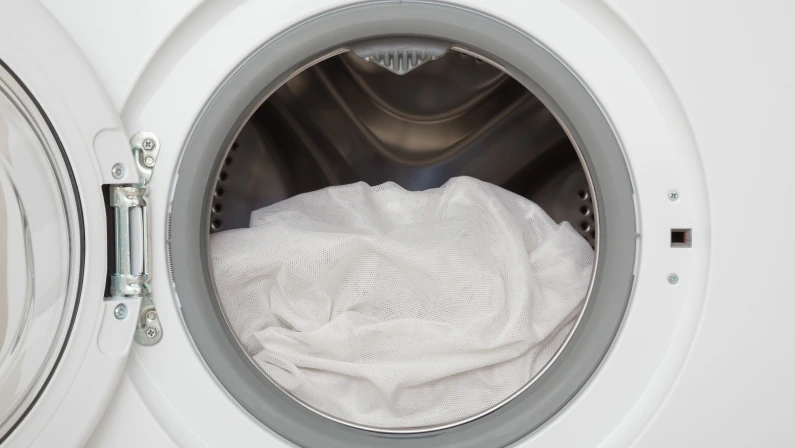
A front-load washer should be cleaned every month, especially if it’s used frequently. Deep cleaning and checking the drain pump filter every 6–8 weeks helps prevent odors and maintains performance. If you notice early signs of mildew, clean it sooner.
What Cleaning Supplies Should You Use?
The first step in cleaning the front loader washing machine is picking out the right supplies.
The safest and most effective supplies include:
- The best front loading washer cleaner (commercial cleaning tablets or powders)
- White vinegar (for external parts only)
- Baking soda for deodorizing
- A microfiber cloth or soft brush
- Hydrogen peroxide for stubborn mold
- Mild dish soap
- A designated front load washer cleaning product
When choosing what to use to clean a front load washer, avoid abrasive cleaners. Most manufacturers recommend using high-quality cleaners designed for front-load washers.
How Do You Clean the Rubber Gasket on a Front-Load Washer?
The gasket is the main source of odor. Pull back the rubber seal and wipe away any visible debris. Apply a mixture of hot water and vinegar or mild detergent and scrub gently. If mold spots are visible, hydrogen peroxide or a specific front load washer cleaner can help remove stains more effectively. Always dry the gasket afterwards to prevent moisture buildup.
How Do You Clean the Detergent Dispenser Drawer?
Remove the drawer completely. Soak it in hot, soapy water for several minutes to loosen detergent residue. Scrub the inside corners and rinse thoroughly. Wipe the cavity where the drawer sits, since mildew develops easily in hidden areas.
How Do You Run a Cleaning or Tub-Clean Cycle Correctly?
Most front-load washers include a designated cleaning or tub-wash cycle. Add the best front load washer cleaner directly into the drum. Select the hottest cycle available. Avoid using vinegar inside the drum during this cycle unless your manufacturer approves it, as vinegar can weaken rubber parts over time. Allow the cycle to finish fully for maximum sanitizing power.
How Do You Clean the Drain Pump Filter?
Locate the filter panel at the bottom front of the washer. Place a towel underneath and unscrew the cap slowly to release trapped water. Remove lint, coins, or debris inside the filter housing. Rinse the filter under warm water before reinstalling. A clogged filter is a common reason front-load washers develop odors or fail to drain properly.
How Do You Clean the Inside Drum and Exterior Surfaces?
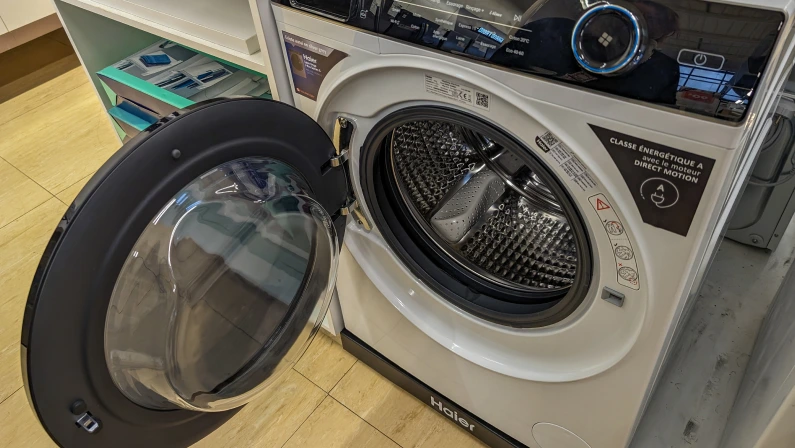
Use a damp cloth with mild detergent to wipe the inside drum. For sanitizing, run a hot cycle with a washer-safe cleaning product designed for cleaning front load washer interiors. Clean the exterior with gentle cleaners. Avoid bleach unless it’s recommended by the manufacturer.
How Can You Prevent Mold and Odor From Coming Back?
Preventing future odors is easier than removing them. Keep the washer door open after each cycle to improve airflow. Use the right amount of HE detergent. Avoid excessive fabric softener. Clean the gasket frequently. Run a monthly tub-clean cycle. Remove wet laundry promptly. All of these steps help maintain a clean front loading washing machine long-term.
Is Bleach Safe for Cleaning Front-Loading Washing Machines?
Bleach can sanitize effectively but should be used sparingly. It works well for extreme mildew buildup but may damage seals if used often. Follow manufacturer instructions. Never mix bleach with vinegar or ammonia.
Is Vinegar Safe to Use in a Front-Loader?
Vinegar is excellent for external cleaning and deodorizing but may degrade rubber components if used too frequently inside the drum. Occasional use is fine, but commercial cleaners are safer for routine cleaning of the tub and internal parts.
What Should You Do If Your Washer Still Smells After Cleaning?
Persistent odors may indicate buildup in hidden areas. Recheck the gasket, drain pump filter, and detergent drawer. If smells continue, run multiple hot cleaning cycles using a high-quality cleaning product. In severe cases, hoses may need inspection.
What Is the Best Front-Load Washer Cleaning Schedule?
A simple schedule includes:
- Wipe the gasket daily or weekly
- Leave the door open after every wash
- Clean the detergent drawer monthly
- Run a tub-clean cycle every 30 days
- Clean the drain pump filter every 6–8 weeks
Following this routine ensures fewer odors and a longer lifespan for your machine.
A Cleaner Washing Machine Starts With the Right Habits
Keeping your washer fresh makes every load smell better. Knowing how to deep clean a front load washer, how to sanitize front load washers properly, and which products deliver the best results helps you avoid musty smells and future mildew.
For those who prefer a convenient, well-maintained facility, SpinXpress Laundry offers fast and reliable laundry services across West Texas. Customers using a self-service laundry in West Texas benefit from clean, modern machines maintained regularly for optimal performance.
If you’re in the area and want an easy, hassle-free laundry option, visit SpinXpress, the most-trusted self service laundry in West Texas, explore any of our locations including Frankford.