Keeping a closet organized may seem straightforward, but knowing the right method for storing each type of clothing can make a huge difference. Deciding whether to fold or hang your clothes affects not only their lifespan but also the overall look and efficiency of your wardrobe. From avoiding wrinkles to preventing stretching, understanding how to handle different fabrics and garment types is essential.
Many people face a daily dilemma: folding clothes vs hanging. Some garments thrive on hangers, while others do best folded. By learning what clothes to hang vs fold, you can protect your investment in quality clothing and make your daily dressing routine smoother.
Why Does It Matter Whether You Fold or Hang Your Clothes?
The way you store your clothes directly impacts their shape, texture, and longevity. Hanging clothes in the closet can prevent creases and preserve tailored shapes, while folding can save space and reduce stress on delicate fabrics. Improper storage often leads to wrinkles, misshapen garments, and even damage over time.
Choosing the right method also affects your closet’s functionality. A well-organized closet makes it easier to see your options and keeps your wardrobe fresh. Understanding folding clothes vs hanging is the first step toward a practical and stylish storage system.
What Are the Key Differences Between Folding and Hanging?
Folding clothes vs hanging each comes with its own pros and cons. Understanding these differences helps you choose the best method for each garment and keeps your wardrobe organized and well-maintained.
Folding Clothes
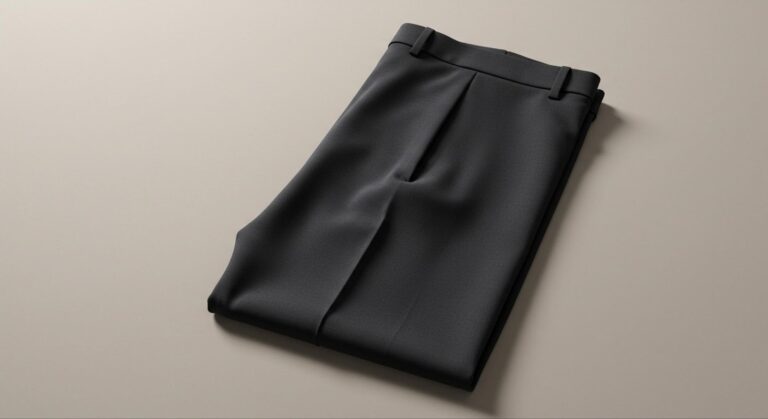
Folding clothes is excellent for thick fabrics and items that could stretch out on hangers, like heavy sweaters or knitwear. It conserves space, allowing for neat stacks in drawers or shelves. The downside is that folding can create creases if done improperly, and some fabrics may need careful handling to avoid permanent folds.
Hanging Clothes
Hanging clothes helps maintain shape, prevents wrinkles, and works well for flowy fabrics, suits, and dresses. It allows for easier access and visibility, which is ideal for daily outfit planning. The drawback is that hangers can stretch soft fabrics, and hanging too many items in a crowded closet can reduce airflow, leading to mustiness.
Space, Fabric Type, and Lifestyle Influence
The choice between folding and hanging depends on your wardrobe’s makeup and available space. People with small closets might prioritize folding to save room, while those with ample hanging space can invest in higher-quality hangers to preserve garments.
Fabric type and lifestyle habits also play a role—frequent travelers may favor folding for portability, while office professionals might lean toward hanging for crisp presentation.
How Do Fabric Types Affect Your Storage Decision?
Fabric composition is a key factor in deciding if you should hang or fold. Delicate fabrics like silk and chiffon wrinkle easily and benefit from hangers. Heavier fabrics, such as wool or thick cotton, may stretch when hung, making folding the safer option. Natural fibers often require more care than synthetic blends, and garments with embellishments or pleats typically need hanging to maintain their intended shape.
Which Clothes Should You Always Hang?

Certain garments require hangers to preserve their structure and appearance.
Flowy Fabrics (like silk or chiffon)
These fabrics wrinkle easily and can lose their drape if folded. Hang up the clothes using padded or non-slip hangers to maintain their flowy look.
Linen
Linen tends to crease, so hanging prevents deep folds that are difficult to remove.
Pants
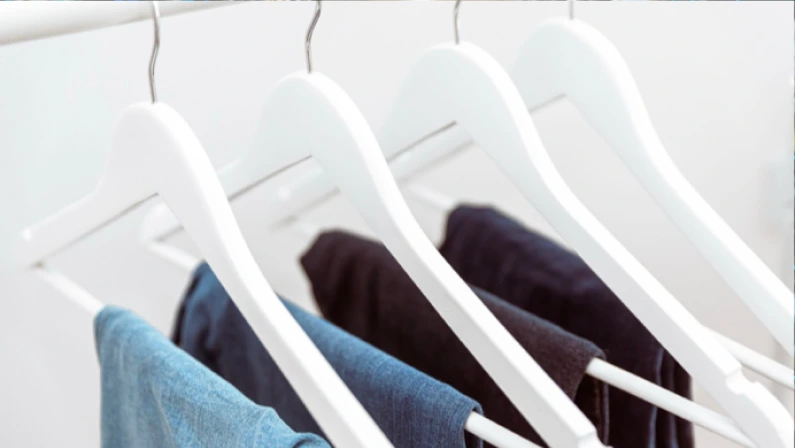
The best way to store trousers is on hangers with clips or fold-over bars to avoid unwanted creases along the seams.
Blouses
Blouses, especially those with delicate buttons or lightweight fabrics, stay in good shape when hung on suitable hangers.
Jackets
Structured garments like jackets need hangers that support shoulders and prevent sagging.
Most Dresses
Long dresses, formal gowns, and delicate fabrics maintain their silhouette better on hangers than in folded stacks.
Which Clothes Should You Always Fold?
Some items are better kept in drawers or shelves to protect their fabric and shape. Here are some things you fold:
Thick Sweaters
Hang or fold sweaters carefully, but folding is generally preferred to prevent stretching at the shoulders.
Activewear
Athletic wear maintains its elasticity and avoids hanger-induced deformation when folded.
Shorts
Shorts typically fold neatly and take up minimal space, making them ideal for drawer storage.
Which Clothes Can Be Hung or Folded—Depending on Your Closet Space?
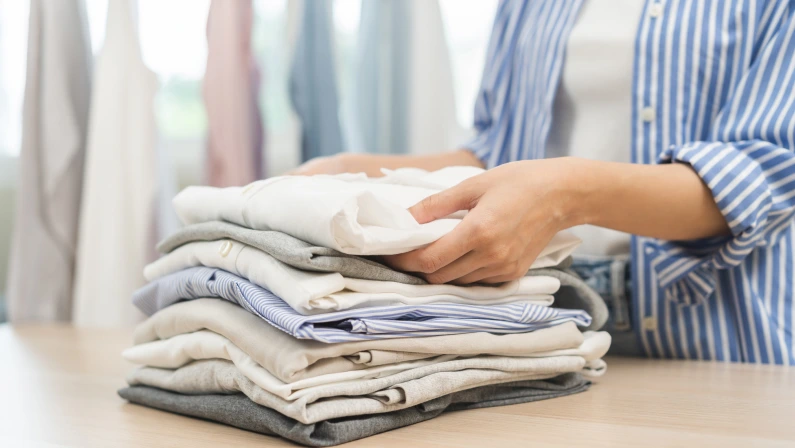
Certain garments are versatile and can be stored based on your preferences and closet capacity.
T-Shirts
T-shirts are easy to fold into stacks, but can also be hung on standard hangers (shirts on a hanger) to save drawer space.
Jeans
Jeans are durable enough to fold, but some prefer hanging for easier access and to prevent heavy stacks from crushing the bottom layers.
Scarves
Scarves can be rolled and folded or draped over hangers, depending on your display style and space.
How Can You Prevent Stretching, Wrinkles, and Damage When Hanging Clothes?
Properly hanging clothes goes beyond just placing them on a hanger. Taking a few simple precautions can prevent stretching, wrinkles, and damage, keeping your garments looking fresh and well-maintained for longer.
- Use the right hangers: Padded or wooden hangers maintain shape better than thin wire options.
- Avoid overcrowding: Allow space for air circulation to prevent fabric stress.
- Hang clothes by type: Group similar fabrics together to reduce snagging.
- Button and zip garments: Help retain structure and avoid misshaping.
What’s the Best Way to Fold Clothes Without Wrinkles?
- Smooth out fabric before folding: Remove minor wrinkles with your hands.
- Use uniform folding techniques: Fold edges neatly to maintain stackability.
- Roll when necessary: Rolling certain garments prevents creases and saves drawer space.
- Layer carefully in drawers: Avoid overfilling to prevent compression.
- Consider professional help: Services like SpinXpress Laundry’s wash and fold service ensure your clothes are cleaned, folded neatly, and ready to store without wrinkles or damage.
How Should You Organize Your Closet for Maximum Efficiency?
A well-organized closet saves time and keeps your wardrobe in top condition. By arranging clothes thoughtfully and using smart storage strategies, you can maximize space and make getting dressed effortless.
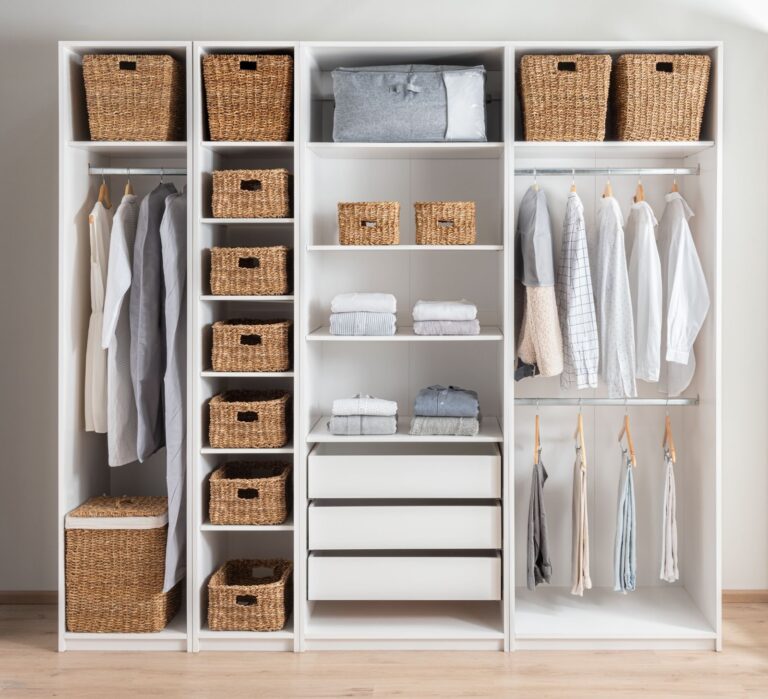
- Categorize by type: Keep pants, shirts, and dresses in designated areas.
- Use uniform hangers: Creates a cleaner look and more space.
- Store off-season clothes separately: Folding and using bins or vacuum-sealed bags saves room.
- Incorporate accessories organization: Hooks, shelves, and small containers reduce clutter.
Are There Clothes You Should Never Hang or Fold?
Not all garments respond well to standard storage methods. Knowing which clothes you should never hang or fold helps prevent damage and keeps your wardrobe looking its best.
- Delicate knitwear: Avoid hanging to prevent stretching; some may need flat drying.
- Heavy coats: Can lose shape on standard hangers; store on wide, sturdy hangers.
- Garments with embellishments: Hanging may snag delicate beads, sequins, or lace.
What’s the Ideal Balance Between Hanging and Folding?
Striking a balance depends on your wardrobe mix and closet space. Hang garments that lose shape or wrinkle easily, and fold items that are thick or prone to stretching. Combining these methods ensures longer garment life and keeps your closet functional and visually appealing.
Organize Smarter for a Longer-Lasting Wardrobe
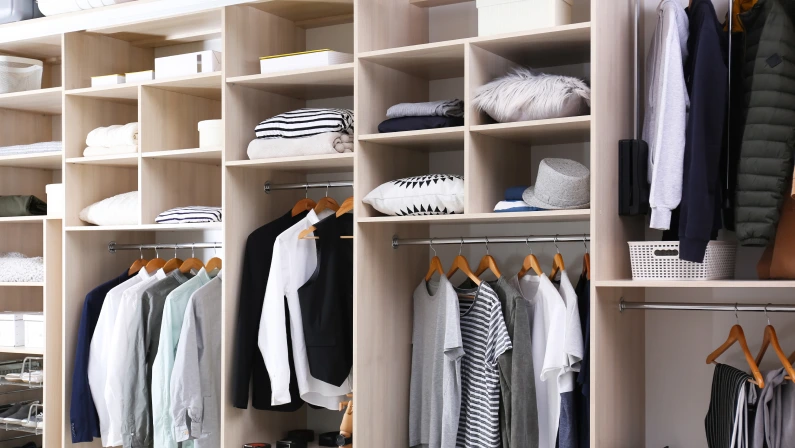
Understanding folding clothes vs hanging is an investment in maintaining your wardrobe. With proper techniques and the right tools, you can prevent wrinkles, stretching, and premature wear.
For those looking to optimize closet space and protect their favorite pieces, balancing folded stacks and hanging arrangements is essential. The best laundromat in Chicago, IL, SpinXpress Laundry, ensures your clothes are cleaned and handled with care, giving you more time to enjoy a tidy, organized wardrobe without worry. Contact us today!