If you’ve ever stood in front of your washer wondering when to use hot water for laundry, you’re not alone. Temperature affects stain removal, fabric lifespan, shrinkage risk, and even how well germs are eliminated.
This guide breaks down exactly when to wash clothes in hot water, when cold is better, and how to avoid common temperature mistakes. Think of this as your go-to hot water laundry guide for smarter washing decisions.
When Should You Use Hot Water for Laundry?
Use hot water for laundry when hygiene, heavy soil, or oil-based buildup is the priority. Towels, bedding, white cotton items, and heavily soiled workwear are common examples.
The right temperature depends on three factors: fabric type, stain type, and sanitation needs. Always check the care label before selecting heat.
General rule of thumb: use hot water for whites and items that need deep cleaning, and use cold for colors, delicates, and protein-based stains.
The Science Behind Hot Water in Laundry — Why Temperature Matters
Water temperature changes how detergents work and how fabrics behave.
How Hot Water Cleans More Effectively
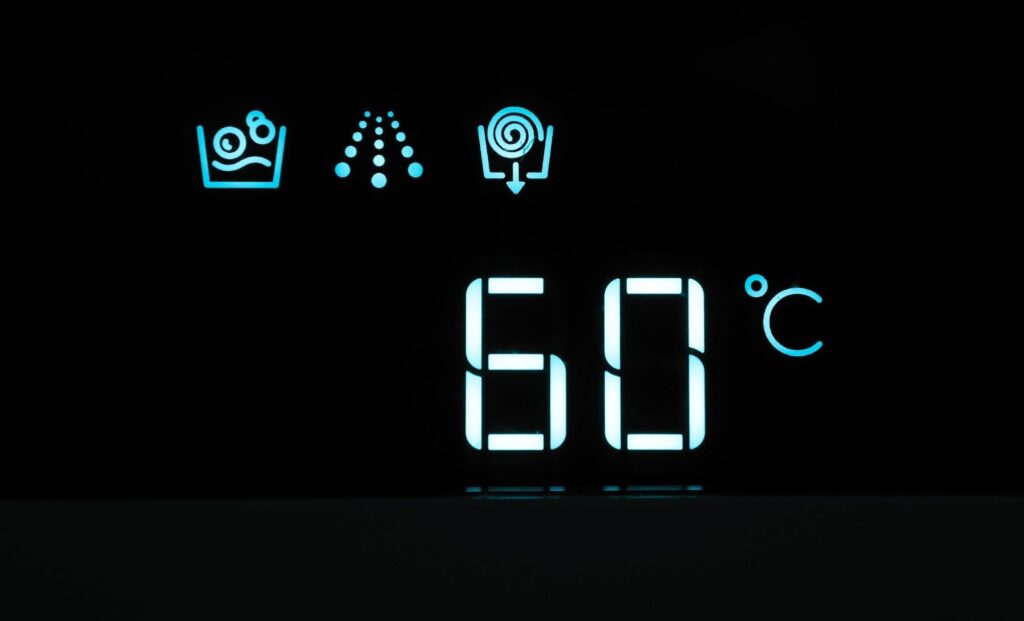
Hot water (typically 130°F / 54°C and above) helps detergents dissolve faster and break down oils more efficiently. Heat loosens body oils, grease, and soil from fabric fibers.
According to textile care research and CDC hygiene guidance, temperatures above 130°F are effective for reducing many bacteria and pathogens in laundry. This is why hot water laundry for towels and bedding is often recommended in hygiene-sensitive settings.
Heat increases cleaning power, especially for lipid-based stains like cooking oil and sebum buildup.
How Hot Water Can Harm Fabrics and Set Stains
Hot water is powerful, but it comes with trade-offs.
Natural fibers such as cotton and wool can shrink under high heat. Repeated hot washes can fade dyes and weaken fibers over time.
Protein-based stains like blood and sweat can permanently set when exposed to heat. If you’re wondering, “does hot water shrink clothes?” The answer is yes — especially with untreated cotton, wool, and spandex blends.
Hot water can also damage synthetic fabrics, reducing elasticity in activewear and causing fiber distortion.
What Temperature Is Considered “Hot” in a Washing Machine?
In most U.S. washing machines:
- Hot water: 130°F / 54°C or higher
- Warm water: 87°F–104°F / 30°C–40°C
- Cold water: 60°F–80°F / 15°C–27°C
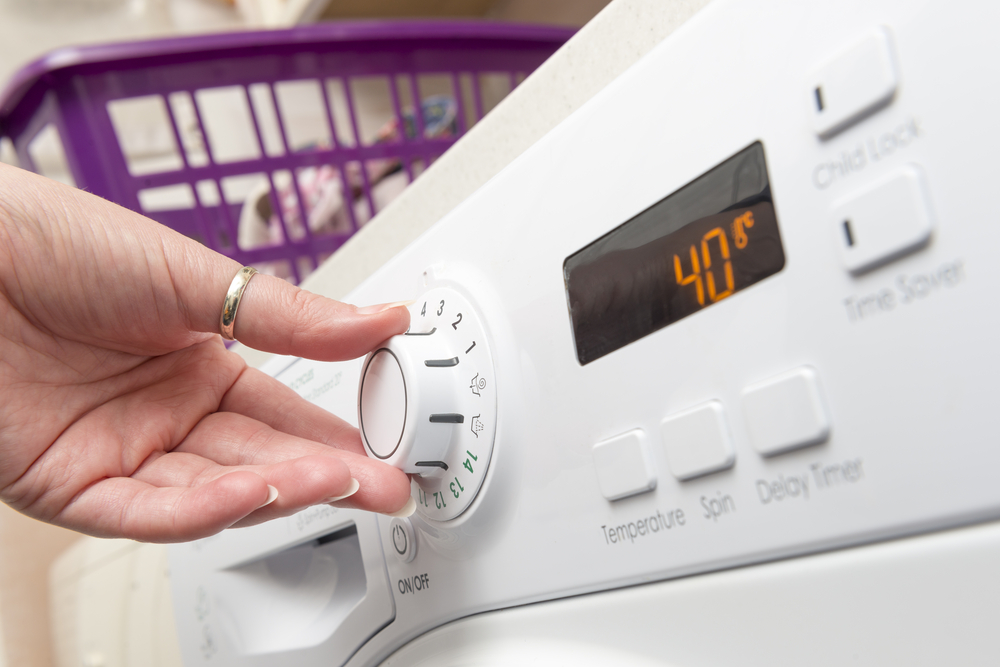
Check garment care labels for maximum recommended temperatures. The standard wash symbol system indicates allowable heat settings to prevent fabric damage.
When to Use Hot Water for Laundry — Specific Use Cases
Towels and Bedding
Towels and sheets collect body oils, dead skin cells, moisture, and bacteria. Washing at 130°F (54°C) helps reduce microbial buildup and dust mites.
If asking, “Is it better to wash sheets in hot or cold water?” hot water is generally recommended weekly, provided the care label allows it.
White Fabrics and Heavily Soiled Items
White cotton shirts, kitchen towels, work uniforms, and cloth diapers benefit from hot water washing. Heat helps restore brightness and remove deep soil.
Hot water laundry for towels and bedding is particularly useful for removing oil buildup that accumulates over time.
Sick Household Laundry and Hygiene-Critical Items
When illness is present in the household, use hot water (at least 130°F / 54°C if fabric allows). Research indicates that higher wash temperatures improve germ reduction.
If asking, “does washing in hot water kill bacteria in laundry?” The answer is that it significantly reduces many bacteria when combined with detergent and a full wash cycle.
When NOT to Use Hot Water for Laundry
Avoid hot water for:
- Dark or brightly colored garments
- Wool, silk, and cashmere
- Activewear and spandex blends
- Blood, sweat, and other protein stains
When considering hot vs cold water laundry, cold water protects fabric structure and prevents shrinkage for delicate materials.
Real-World Scenario: Choosing the Wrong Temperature
Case Study
A homeowner washes a cotton sweater in hot water. After drying, it shrinks noticeably and loses its original fit. The heat caused fiber contraction.
In contrast, the same household washes bath towels weekly in hot water. Over time, the towels remain fresher, with less odor buildup and improved hygiene.
The difference lies in fabric type and purpose. Heat benefits durable, heavily used textiles but damages delicate fibers.
Hot vs Warm vs Cold Water for Laundry — Full Comparison
Table 1: Hot vs Warm vs Cold Water for Laundry
| Factor | Hot Water (130°F / 54°C+) | Warm Water (87°F–104°F / 30°C–40°C) | Cold Water (60°F–80°F / 15°C–27°C) |
| Cleaning Power | ✅ Maximum | ✅ Good | ⚠️ Moderate (with modern detergent) |
| Bacteria/Germ Kill | ✅ Excellent | ⚠️ Partial | ❌ Minimal |
| Stain Removal | ✅ Best for grease/oils | ✅ Good for moderate soil | ✅ Best for protein stains (blood/sweat) |
| Fabric Safety | ❌ Risk for many fabrics | ⚠️ Moderate risk | ✅ Safest option |
| Color Preservation | ❌ Accelerates fading | ⚠️ Some risk | ✅ Best for colors |
| Shrinkage Risk | ❌ High for natural fibers | ⚠️ Moderate | ✅ Minimal |
| Energy Use | ❌ Highest (~90% of cycle energy) | ⚠️ Moderate | ✅ Lowest — most eco-friendly |
| Best Use Cases | Whites, bedding, towels, sick laundry, heavily soiled | Everyday mixed loads, synthetics, lightly soiled darks | Delicates, darks, bright colors, protein stains, eco-washing |
Table 2: Temperature Guide by Garment and Item Type
| Item Type | Recommended Temp | Why | Notes |
| White cotton T-shirts / dress shirts | Hot (130°F / 54°C) | Removes residue, restores brightness | Periodic hot wash; daily cold is fine |
| Towels (bath and kitchen) | Hot (130°F / 54°C) | Kills bacteria, removes body oil buildup | Every 1–2 weeks on hot |
| Sheets and pillowcases | Hot (130°F / 54°C) | Kills dust mites, bacteria, skin cell buildup | Weekly hot wash recommended |
| Cloth diapers | Hot (130°F / 54°C) | Hygiene-critical; must sanitize fully | Always hot unless label restricts |
| Heavily soiled work / sport clothes | Hot or Warm | Breaks down deep soil and sweat | Check care label for max temp |
| Jeans and denim | Cold or Warm | Prevents fading and shrinkage | Cold inside-out preserves color best |
| Dark-colored garments | Cold | Prevents dye bleeding and fading | Always cold; wash inside out |
| Bright / vivid colors | Cold | Preserves dye vibrancy | Cold protects color intensity |
| Synthetic fabrics (polyester, nylon) | Warm or Cold | Heat can warp fibers and reduce elasticity | Check label; warm max for most |
| Activewear / spandex blends | Cold | Heat destroys stretch and elasticity | Cold gentle cycle only |
| Wool and cashmere | Cold only | Hot water causes irreversible felting/shrinkage | Cold or wool-specific cycle |
| Silk and delicates | Cold only | Heat weakens fiber and causes dye bleed | Cold gentle or hand wash |
| Sick household laundry | Hot (if label allows) | Kills bacteria, viruses, and pathogens | Always verify care label first |
| Baby clothes | Warm or Hot | Hygiene-sensitive; needs effective cleaning | Use baby-safe detergent; check label |
Table 3: Stain Type and Recommended Wash Temperature
| Stain Type | Recommended Temp | Why | Warning |
| Blood | Cold only | Hot sets protein stains permanently into fibers | Never use hot — stain becomes permanent |
| Sweat / perspiration | Cold first, then warm if needed | Protein-based; cold dissolves before laundering | Hot water sets sweat stains |
| Grease and cooking oil | Hot or Warm | Heat dissolves fat molecules effectively | Pre-treat with dish soap before washing |
| Grass stains | Warm or Hot | Warm/hot water + enzyme detergent breaks chlorophyll | Pre-treat first for best results |
| Mud and dirt | Cold first, then Warm | Allow mud to dry, then cold rinse before washing | Don’t rub wet mud — spreads the stain |
| Coffee and tea | Cold to Warm | Tannin-based; cold water is often sufficient | Avoid hot — can set tannin stains |
| Food stains (tomato, wine) | Cold first | Cold prevents the stain from setting in fibers | Blot first; never rub |
| Mildew and mold on fabric | Hot (if label allows) | Heat kills mold spores effectively | Add white vinegar or oxygen bleach to cycle |
| Body oils and sebum | Hot or Warm | Heat dissolves lipid-based oils from fiber | Regular hot washing prevents buildup on whites |
| Vomit / urine / feces | Hot (130°F+) | Hygiene-critical — requires full pathogen kill | Pre-rinse in cold before hot wash cycle |
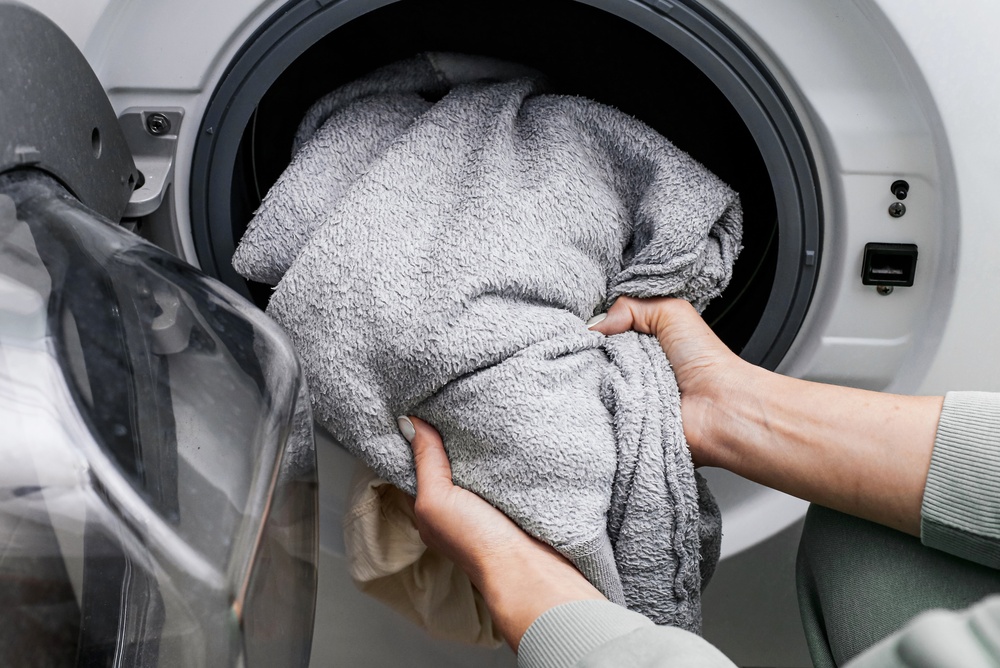
Laundry Tips for Getting Water Temperature Right
Common Temperature Mistakes That Damage Clothes
- Using hot water for all loads → Match temp to fabric type.
- Washing protein stains in hot water → Rinse in cold first.
- Ignoring care labels → Check symbols before washing.
- Overusing hot cycles → Rotate with warm or cold to preserve fabric.
Energy-Saving Best Practices for Laundry Temperature
Heating water accounts for roughly 75–90% of the energy used in a wash cycle, according to the American Cleaning Institute. Washing in cold water whenever possible reduces utility costs significantly.
Reserve hot cycles for hygiene-critical loads instead of everyday washing.
Trends & Data Points
Modern detergents are designed to clean effectively in cold water. Industry data shows growing consumer preference for cold washing due to energy savings and fabric preservation.
Use Hot Water When It Counts — Cold for Everything Else
Hot water is powerful when used correctly. Reserve it for whites, towels, bedding, and hygiene-focused loads. Choose cold for colors, delicates, and protein stains.
When in doubt, check the label and match the temperature to the fabric’s needs. For expert garment care without guesswork, visit SpinXpress, a full-service wash & dry laundromat in Houston.
References
- American Cleaning Institute — Laundry Temperature & Energy Use
- CDC Guidelines on Laundry and Hygiene
- Textile Care Labeling Standards
Frequently Asked Questions (FAQs)
Does hot water kill germs in laundry?
Hot water at 130°F (54°C) combined with detergent significantly reduces many bacteria and pathogens, especially for towels and bedding.
What temperature should I wash the sheets?
Hot water (130°F / 54°C) is recommended weekly for most cotton sheets to reduce dust mites and bacteria, if the care label allows.
Does hot water shrink clothes?
Yes. Cotton, wool, and some blends can shrink when exposed to high heat. Always check the care label first.
When should you NOT use hot water for laundry?
Avoid hot water for dark colors, delicates, wool, silk, activewear, and protein-based stains.
Is it better to wash towels in hot or cold water?
Hot water is preferred for towels to remove body oils and bacteria effectively.
What temperature is hot water on a washing machine?
Hot water is typically 130°F (54°C) or higher in U.S. washing machines.