Few things feel better after a warm shower than wrapping yourself in fluffy white towels. Soft, plush towels add comfort and luxury to any home, yet many people struggle with fabrics that turn stiff, scratchy, or heavy over time. Understanding how to make towels soft again can completely transform your laundry routine and extend the lifespan of your linens.
Fortunately, making towels soft again does not require complicated processes or expensive specialty products. In most cases, the stiffness has simple causes that can be reversed with the right approach. This guide explains why towels harden, how to get towels soft again using proven ingredients like vinegar and baking soda, and what steps help maintain softness for the long term.
Why Do Towels Become Stiff and Scratchy Over Time?
Many people ask, ‘Why are my towels stiff?’, and the answer usually comes down to buildup. Detergent residues, fabric softeners, hard water minerals, and body oils cling to fibers. Over multiple wash cycles, these deposits coat the loops of the towel and create a rough texture.
Low-quality detergent and improper rinsing can make the problem worse. The more buildup that accumulates, the more difficult it becomes for the towel to absorb water effectively. Without intervention, towels continue to harden until they feel unpleasant on the skin.
How Does Vinegar Help Restore Softness to Towels?
Using vinegar to soften towels is one of the most widely recommended solutions because it naturally breaks down residue. It is safe, effective, and suitable for both old and new towels. Here is how vinegar works:
Dissolves detergent film
White vinegar cuts through leftover detergent that sticks to towel fibers and causes stiffness. This restores absorbency and removes dullness.
Removes odor-causing buildup
Vinegar neutralizes unpleasant smells created by mildew and trapped oils. Towels smell fresher instantly.
Balances the pH level of fabrics
The acidic nature of vinegar helps restore pH balance, which allows fibers to relax and soften.
Prevents mineral accumulation
For homes with hard water, vinegar reduces mineral deposits that create scratchy textures.
Can Baking Soda Really Make Towels Softer?
Using baking soda for soft towels is another highly effective method. Baking soda acts as a natural fabric softener by regulating water pH and lifting residue from deep within the fibers. It also boosts the cleaning power of your detergent, improves brightness, and reduces odors. When used correctly, baking soda leaves towels feeling light, fluffy, and more absorbent.
What Is the Best Way to Use Both Vinegar and Baking Soda Without Damaging Your Washer?
Combining vinegar and baking soda is helpful, but they should never be mixed directly. This two-step process helps make towels soft again with no risk of harming the machine. Here is the safest way to use them:
Run a wash cycle with hot water and vinegar
Add one cup of vinegar to the drum. This breaks down the buildup and prepares the fibers.
Run a second cycle with hot water and baking soda
Use half a cup of baking soda to refresh, brighten, and soften.
Do not pour them together
Mixing them in the same wash neutralizes their cleaning power.
Avoid placing them in the detergent tray
Put each ingredient directly inside the drum to prevent clogging.
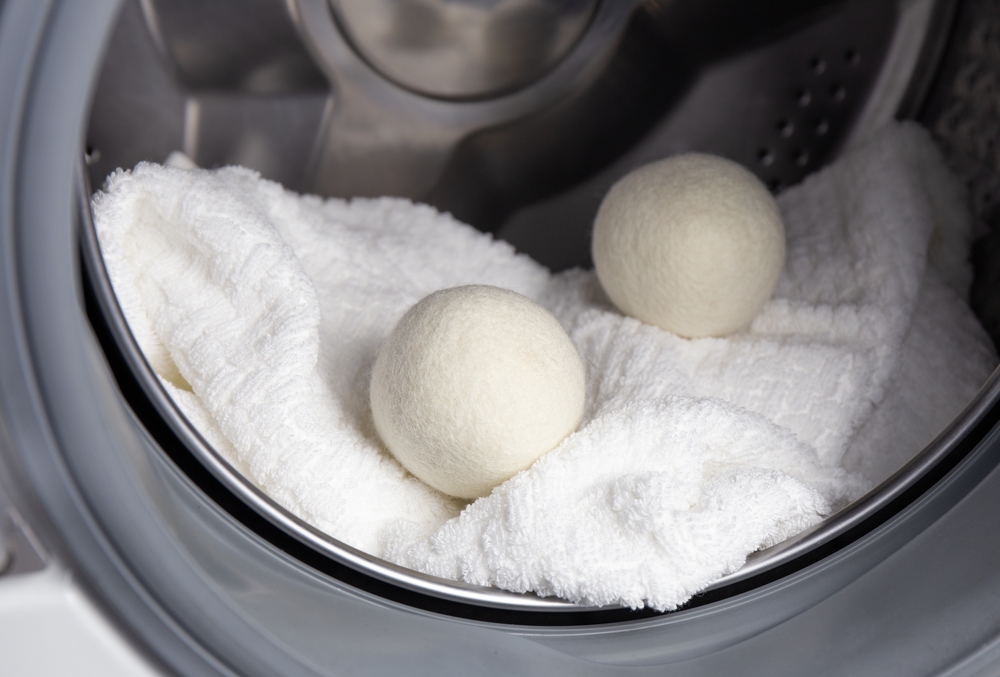
Do Dryer Balls Help Towels Stay Soft Naturally?
Dryer balls are one of the easiest tools to improve softness. Wool or rubber dryer balls lift and separate towels during the drying process. This movement increases air circulation and reduces clumping, which results in fluffier towels. They also shorten drying time, reduce static, and prevent the over-drying that can make fibers feel brittle.
How Does Line Drying Compare to Machine Drying for Towel Softness?
Line drying saves energy and gives towels a crisp, sun-kissed scent. However, towels left to dry outdoors often feel stiffer because airflow is limited. Machine drying offers a softer finish since heated air constantly moves through the fibers. For the best results, you can line dry until slightly damp, then finish in the dryer with dryer balls to restore fluff.
Are There Natural Laundry Detergents That Keep Towels Softer?
Yes. Natural detergents can help maintain softness while reducing chemical buildup. Using the right detergent is one of the simplest steps in how to keep towels soft. Look for:
- Plant-based formulas: These clean effectively without leaving heavy residue.
- Fragrance-free detergents: Strong scents can cling to fibers and cause stiffness.
- Low-sudsing options: Fewer suds mean easier rinsing, which keeps towels feeling smooth and soft.
- Detergents designed for sensitive skin: These formulas often avoid additives that reduce absorbency.
How Often Should Towels Be Washed to Maintain Softness?
Towels should be washed every three to four uses. This schedule removes oils and bacteria before they settle deep into the fibers. Frequent washing prevents buildup, keeps the loops fluffy, and ensures towels maintain their absorbency and comfort.
For households that want consistently soft, fresh towels without the extra work, SpinXpress Laundry in Houston, TX offers convenient washing services that help maintain optimal softness and cleanliness week after week.
What Washing Machine Settings Help Keep Towels Soft?
To keep towels soft, use warm water for regular loads and hot water for deep cleaning. Select a longer rinse cycle to ensure the detergent thoroughly washes out. Avoid overloading the machine because towels need space to move freely. A gentle spin speed also protects fibers from unnecessary stress.
Can Salt, Borax, or Other Natural Additives Help Soften Towels?
Yes, certain natural additives can support softness. These ingredients should be used sparingly to avoid weakening the fibers over time.
- Salt: Helps break down mineral residue on older towels.
- Borax: Boosts detergent strength and improves softness in hard water regions.
- Washing soda: Lifts grime and enhances the cleaning process.
What Should You Avoid If You Want Soft Towels Long-Term?
Avoid these common habits:
- Using commercial fabric softeners: They create a waxy coating that leads to stiffness.
- Overusing detergent: Excess suds cause buildup that reduces absorbency.
- Overloading the washer: Crowded loads do not rinse thoroughly enough to keep towels soft.
- Using high heat settings too often: Extreme heat can shrink fibers and leave towels feeling rough.
When Should You Consider Replacing Your Towels?
Some towels eventually become too worn to restore, and replacement becomes the best option. If the fibers appear frayed or thinning, this usually indicates permanent damage that cannot be reversed. Towels that remain stiff despite multiple treatments may have fibers that no longer respond to softening methods.
When absorbency is significantly reduced and towels begin to repel water instead of soaking it in, it is a clear sign that they have reached the end of their usable lifespan.
The Secret to Softer, Fresher Towels for Years to Come
Understanding how to get towels soft again empowers anyone to maintain comfortable linens at home. Using vinegar to soften towels and baking soda for soft towels helps revive even heavily used fabrics. If you are still wondering what to use to soften towels naturally, combining simple ingredients with proper washing techniques delivers reliable results. These methods work beautifully for restoring and preserving fluffy white towels that feel fresh after every wash.
For families that want consistently soft towels without the hassle, SpinXpress Laundry offers professional laundry care that keeps fabrics clean, bright, and comfortable. From removing buildup to preventing stiffness, we help make towels soft again so your home always feels fresh and welcoming. Contact us today!