You’re getting ready for an event when suddenly a spill lands on your favorite satin dress. Panic sets in because you are not sure how to remove stain from satin without ruining the fabric. Satin looks luxurious, but it is also delicate and prone to damage if handled incorrectly.
Unlike everyday fabrics, satin requires gentle care and specific cleaning methods. The good news is that with the right satin stain removal techniques, you can restore your garment safely. This guide walks you through everything you need to know, from quick fixes to deep cleaning methods.
What Is Satin and Why Is It Difficult to Clean?
Satin is a weave known for its smooth, glossy surface and soft texture. It can be made from silk, polyester, or other synthetic fibers. Silk satin is more delicate and expensive, while polyester satin is more durable and easier to maintain.
Why satin is tricky to clean:
- Absorbs stains quickly due to its smooth weave
- Shows water spots easily
- Sensitive to heat and harsh chemicals
- Can lose shine with improper washing
Key Takeaways
- Always act fast when stains occur
- Use gentle solutions to clean satin fabric
- Avoid scrubbing or high heat
- Test cleaning methods on a hidden area first
How to Remove Stains from Satin (Quick Step-by-Step)
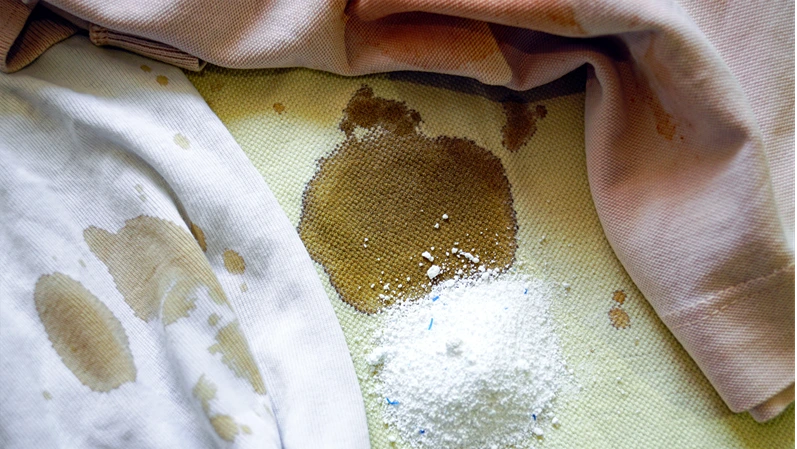
If you are wondering how to get stains out of satin, follow this simple process:
- Blot immediately using a clean, dry cloth to absorb excess liquid.
- Mix a mild solution such as a few drops of dish soap on satin fabric with cold water.
- Dab gently onto the stain without rubbing.
- Rinse with cold water using a damp cloth.
- Air dry flat to avoid stretching or water marks.
This method is the foundation of how to clean satin fabric at home safely and effectively.
How to Remove Different Types of Stains from Satin
Different stains require different treatments. Below are targeted methods to ensure effective satin cleaning tips.
Water-Based Stains (Coffee, Tea, Juice)
- Blot excess liquid immediately
- Mix 1 tsp mild detergent with 1 cup cold water
- Dab gently using a soft cloth
- Rinse lightly with cold water
- Air dry flat
This method also works for how to remove water stains from satin.
Oil-Based Stains (Makeup, Lotion, Grease)
- Sprinkle cornstarch or baking soda on stain
- Let sit for 15 minutes
- Brush off gently
- Apply a drop of dish soap on satin fabric
- Rinse with cold water
This is ideal for how to remove oil stains from satin and how to get grease out of satin fabric. If you are asking “is baking soda safe for satin”, the answer is yes in small amounts when used gently.
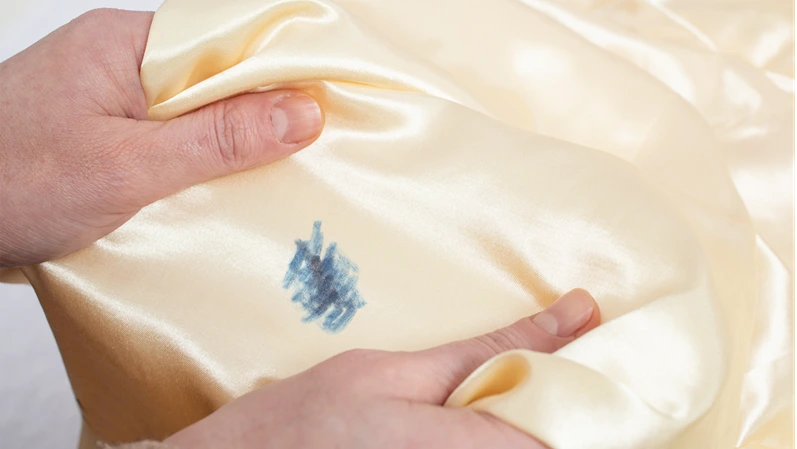
Ink or Dye Stains
- Dab a small amount of rubbing alcohol on satin
- Use a cotton swab for precision
- Blot gently, do not rub
- Rinse with cold water
- Repeat if needed
Sweat and Deodorant Stains
- Mix white vinegar for satin stain removal with water (1:2 ratio)
- Dab onto affected area
- Let sit for 10 minutes
- Rinse with cold water
- Air dry
This is effective for how to remove sweat stains from satin.
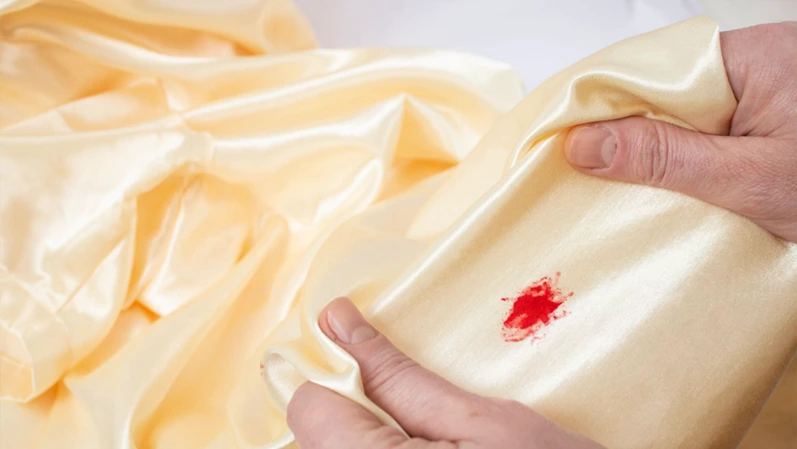
Blood Stains
- Rinse immediately with cold water
- Apply mild soap solution
- Dab gently
- Avoid warm water
- Repeat until stain fades
Satin Stain Removal Quick-Reference Table
| Stain Type | Recommended Solution | What to Avoid | Difficulty Level |
| Water stains | Cold water + mild detergent | Hot water | Easy |
| Oil stains | Cornstarch + dish soap | Rubbing aggressively | Medium |
| Makeup stains | Dish soap + cold water | Harsh chemicals | Medium |
| Ink stains | Rubbing alcohol | Scrubbing | Hard |
| Sweat stains | White vinegar solution | Heat drying | Easy |
| Blood stains | Cold water + mild soap | Warm water | Medium |
| Dye stains | Hydrogen peroxide on satin fabric (light use) | Overuse of peroxide | Hard |
Real-Life Example: Saving a Satin Wedding Guest Dress
A guest at a wedding accidentally spilled foundation on her satin dress just hours before the ceremony.
Before: The stain was visible, oily, and spreading across the fabric. Panic sets in because satin can easily absorb makeup products.
Step-by-step solution:
- Blotted the stain immediately
- Applied cornstarch to absorb oil
- Used a small amount of dish soap on satin fabric
- Rinsed gently with cold water
- Air dried carefully
After: The stain was completely gone, and the dress retained its shine and smooth texture.
Key takeaway: Acting quickly and using the right method makes all the difference in satin stain removal.
Expert Tips for Cleaning Satin Without Causing Damage

Proper care is essential when learning how to wash satin without damaging it.
Do’s:
- Use cold water for all cleaning
- Spot clean whenever possible
- Use gentle detergents
- Test products before applying
- Learn how to clean a satin dress carefully by hand
Don’ts:
- Avoid wringing the fabric
- Do not use bleach
- Avoid high heat drying
- Do not scrub stains
Pro Tip: If you are unsure about whether you can use oxiclean on satin, it is best to avoid it unless labeled safe for delicate fabrics. Similarly, use caution with hydrogen peroxide on satin fabric and always dilute it.
For delicate items like bedding, knowing how to clean a satin pillowcase properly helps extend its lifespan. If stains persist, professional services like SpinXpress Laundry can safely handle delicate garments and ensure proper care.
Gentle Care for Long-Lasting Satin
Removing stains from satin does not have to be stressful. With the right approach, you can handle everything from how to remove makeup from satin to deep-set stains. Always act quickly, use gentle solutions like white vinegar for satin stain removal, and understand your fabric type.
For tougher stains or when you need expert care, consider professional help such as laundry services in Houston,Texas, like SpinXpress Laundry. They specialize in delicate fabrics and ensure your garments stay in excellent condition. Bookmark this guide so you are always prepared for your next satin emergency.
References
- Textile Industry Affairs – https://www.textileaffairs.org
- American Cleaning Institute – https://www.cleaninginstitute.org
- Good Housekeeping Fabric Care Guide – https://www.goodhousekeeping.com
- The Spruce Cleaning – https://www.thespruce.com
- U.S. Federal Trade Commission Fabric Labeling – https://www.ftc.gov
Frequently Asked Questions (FAQs)
Satin care often raises many questions. Here are clear answers to help you handle stains effectively.
Can you remove a stain from satin fabric at home?
Yes, most stains can be treated at home using gentle methods like mild detergent and cold water. Acting quickly improves your chances of complete removal.
What is the best stain remover for satin?
The best stain remover for satin fabric is a mild detergent or diluted dish soap. Avoid harsh chemicals that can damage the fibers.
How do you get a stain out of satin without ruining it?
Blot the stain, apply a gentle cleaning solution, and avoid scrubbing. Always air dry to maintain the fabric’s integrity.
Can satin go in the washing machine?
Some polyester satin can be machine washed on a delicate cycle, but silk satin should always be hand washed.
How do you remove old or dried stains from satin?
Soak the area with a mild solution and gently blot multiple times. It may take repeated treatments to fully remove older stains.
Does white vinegar remove stains from satin?
Yes, white vinegar for satin stain removal is effective for sweat and odor stains when diluted properly.
Can you use rubbing alcohol on satin fabric?
Yes, rubbing alcohol on satin can help remove ink stains when applied carefully with a cotton swab.
How do you remove oil stains from satin?
Use absorbent powder first, then follow with mild soap. This is the safest method for how to remove oil stains from satin.
What happens if satin gets wet?
Water can leave marks or rings, especially on silk satin. Proper drying techniques help prevent damage.
When should you take satin to a dry cleaner?
If the stain is large, set-in, or on expensive silk satin, professional cleaning is the safest option.