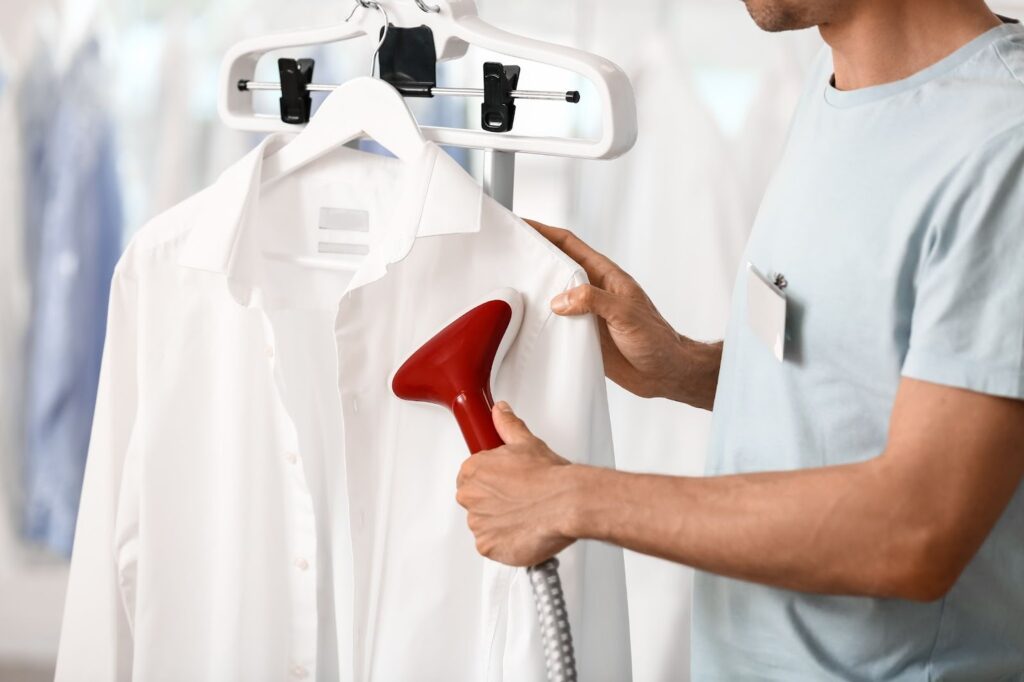
If you’ve ever rushed out the door with a handheld steamer in one hand and a wrinkled shirt in the other, you’ve probably wondered: does steaming clean clothes, or does it just make them look better?
The short answer is that steaming refreshes garments and reduces wrinkles, but it does not replace proper washing. Understanding the difference helps you decide when to steam clean clothes at home and when your laundry needs a full wash cycle.
Does a Steamer Actually Clean Clothes?
Steaming clothes involves using hot vapor from a steam garment cleaner to relax fabric fibers and smooth out wrinkles. The steam penetrates the material without fully saturating it like water in a washing machine. It is a surface-level treatment rather than a deep cleaning process.
Steam cleaning clothes can reduce odors, relax wrinkles, and kill some bacteria through heat exposure. A steam cleaner for clothes typically reaches temperatures high enough to refresh garments and lightly sanitize them.
What steaming does not do is remove visible stains, ground-in dirt, sweat buildup, or oils embedded in fabric. If you are asking, “does steaming clothes clean them the same way washing does?”, the answer is no. Washing remains necessary for true soil removal.
How Does Steaming Work on Clothes?
Steaming works through a combination of heat and moisture. Unlike washing, which agitates fabric in water with detergent, steaming targets wrinkles and surface-level odor molecules using hot vapor. This makes it ideal for quick refreshes between wears.
The Science Behind Clothes Steaming
When steam hits fabric, the heat loosens the hydrogen bonds in textile fibers. These bonds are responsible for holding wrinkles in place. As the fibers relax, they return to their natural shape, smoothing the garment.
Steamers typically produce vapor at temperatures above 200°F (93°C). According to research published by the American Cleaning Institute and textile care organizations, exposure to temperatures above 160°F can reduce certain bacteria and dust mites. That’s why many people ask, “can a steamer sanitize clothes?” The answer is partially. It can reduce microbial presence, but it is not a substitute for a disinfecting wash cycle.
Steam also helps lift mild odors because heat releases trapped scent molecules from the fabric surface. However, it does not flush away residues the way water and detergent do.
What a Clothes Steamer Can and Cannot Do
A steamer for laundry is excellent for removing wrinkles from suits, dresses, blouses, and delicate fabrics. It’s especially helpful for garments labeled dry-clean only when you need a quick refresh.
It cannot remove heavy stains such as grease, mud, or sweat rings. Steam cleaning clothing also does not eliminate allergens embedded deep in thick fabrics unless exposure time and temperature are sufficient.
Understanding these limits prevents disappointment. Steaming refreshes. Washing cleans.
Step-by-Step: How to Steam Clothes Properly
- Fill the water tank with distilled water. This prevents mineral buildup inside the steamer.
- Allow the steamer to heat fully. Wait until it produces consistent steam.
- Hang the garment vertically. A hanger allows gravity to help release wrinkles.
- Pull the fabric taut. Gently hold the bottom of the garment to smooth the surface.
- Move the steamer head slowly downward. Keep it close without soaking the fabric.
- Focus on problem areas. Spend extra time on cuffs, collars, and seams.
- Let the garment dry. Allow a few minutes before wearing.
Following these steps ensures effective steam clean clothes at home results.
Real-World Scenario: Steaming vs. Washing in Practice
Case Study: A Quick Refresh Before an Evening Event
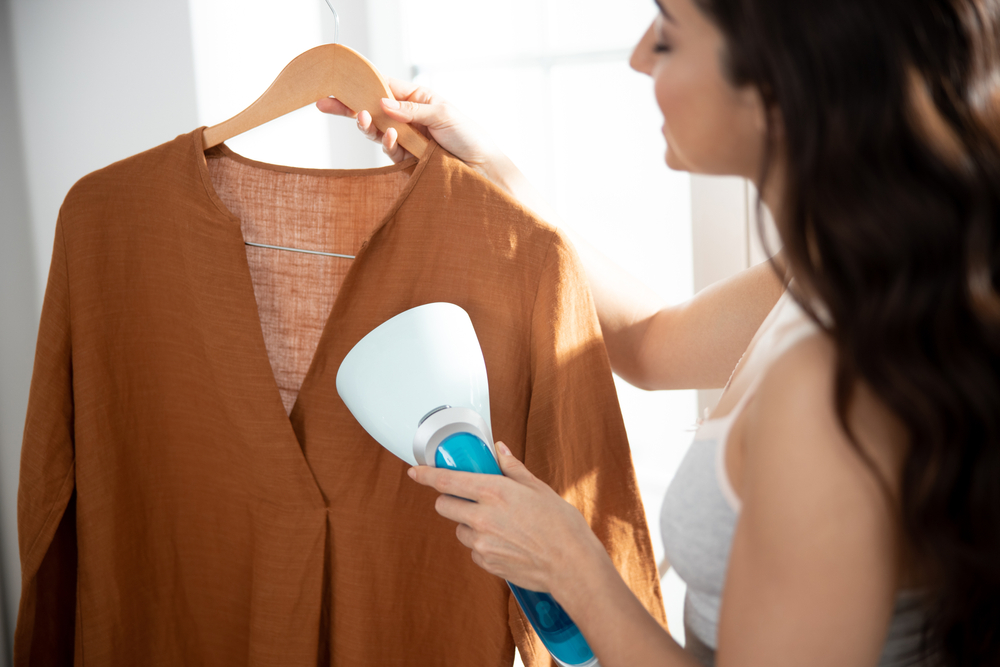
You unpack a tailored blazer and dress pants after a day of travel. They’re wrinkled from sitting and folding in a suitcase, but there are no visible stains or heavy dirt. With an evening event coming up and no time for a full wash cycle, steaming becomes the most practical option.
You hang the garments neatly and run a steam cleaner for clothes slowly over the fabric. As the hot vapor penetrates the fibers, the wrinkles begin to relax. The blazer regains its shape, the pant legs fall straight again, and light odors from indoor wear fade. In less than ten minutes, the outfit looks polished and ready.
Now imagine those same clothes after a long outdoor gathering with food spills or perspiration marks. You could steam clean clothes to remove wrinkles, but the stains and embedded oils would still be there. In that case, washing or dry cleaning would be necessary.
Steaming works best when your clothes are clean but wrinkled. Washing is still required when actual dirt and buildup need to be removed.
Steaming vs. Washing vs. Dry Cleaning
| Feature | Steaming | Washing | Dry Cleaning |
| Removes Wrinkles | Yes | Partially | Yes |
| Removes Stains | No | Yes | Yes |
| Kills Some Bacteria | Limited | Yes (hot cycles) | Yes |
| Suitable for Delicates | Yes | Depends on fabric | Yes |
| Deep Cleans Fabric | No | Yes | Yes |
| Best For | Quick refresh | Everyday laundry | Structured garments |
When comparing steam vs washing, the purpose determines the method.
Tips for Getting the Most Out of Your Clothes Steamer
Steaming is simple, but technique matters if you want consistent results.
Common Mistakes to Avoid When Steaming Clothes
- Holding the steamer too far away: Keep it close to allow proper heat penetration.
- Over-soaking the fabric: Move steadily to avoid water spots.
- Skipping tension: Pull fabric gently to smooth wrinkles effectively.
- Using tap water in hard water areas: Use distilled water to prevent buildup.
- Expecting stain removal: Remember steaming does not replace washing.
Best Practices & Insider Advice
Professional stylists often steam garments the night before wearing them. This allows moisture to evaporate fully and prevents damp spots.
For thicker fabrics, steam from both sides for better results. When asking how to steam clean clothes effectively, patience and slow passes make a difference. Quick swipes rarely relax fibers completely.
Trends & Data Points
The global garment steamer market has grown steadily in recent years, driven by convenience and remote work trends. Market research firms report increased consumer adoption of compact steam cleaner for clothes devices for home and travel use.
Textile care studies also show steam exposure can reduce dust mites, supporting its use for allergy management in bedding and upholstery.

Should You Steam or Wash Your Clothes?
So, does steaming clean clothes? It refreshes them, reduces wrinkles, and lowers some bacteria levels, but it does not replace washing. Use steaming for quick touch-ups and delicate fabrics. Choose washing or dry cleaning for garments that are visibly soiled.
If your laundry needs a thorough clean, SpinXpress, a full-service wash & dry laundromat in Pioneer, Arlington, TX, offers professional care that goes beyond surface refreshing. Explore our related garment care guides to keep your wardrobe looking its best.
References
- American Cleaning Institute – Fabric Care Guidelines
- Textile Research Journal – Heat Effects on Microbial Reduction
- Grand View Research – Garment Steamer Market Trends
Frequently Asked Questions (FAQs)
Does steaming clothes kill bacteria?
Steam at high temperatures can reduce certain bacteria and dust mites. However, it does not disinfect clothing as thoroughly as hot-water washing with detergent.
Can you use a steamer instead of washing clothes?
You can use a steamer for light refreshes, but it does not remove dirt or stains. Steam cleaning clothing works best between washes, not as a replacement.
Is steaming clothes better than ironing?
Steaming is gentler and works well for delicate fabrics. Ironing provides sharper creases and more structured results. The better option depends on the garment.
How long does steamed clothing stay wrinkle-free?
If hung properly, steamed clothing can stay smooth for a full day or longer. Fabric type and humidity affect longevity.
Can steaming remove odors from clothes?
Yes, steam can reduce mild odors by releasing trapped odor molecules. Strong smells from sweat or smoke may still require washing.
What fabrics should not be steamed?
Avoid steaming fabrics that are highly sensitive to heat, such as waxed materials, certain plastics, or garments with glued embellishments. Always check the care label first.