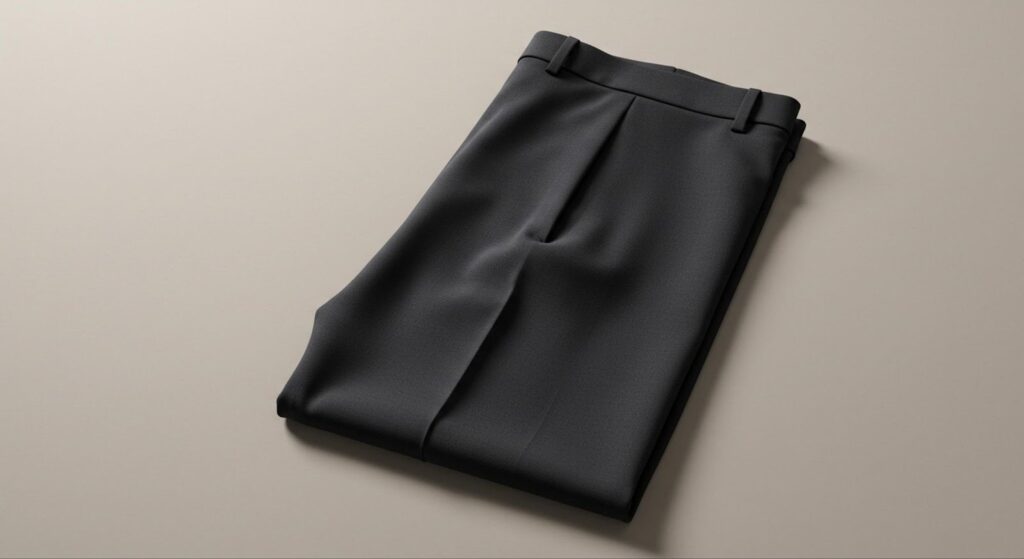
Wrinkled dress pants can instantly make an otherwise sharp outfit look unfinished. If you’ve ever wondered how to iron dress pants properly so they look crisp, smooth, and professional, you’re in the right place.
This guide walks you through the best way to iron dress pants, from choosing the correct heat setting to pressing a clean crease that holds its shape. You’ll also learn how to iron wool dress pants, how to iron dress pants for work, and even how to iron dress pants without an ironing board.
How Do You Iron Dress Pants Correctly?
Ironing dress pants correctly means applying the right amount of heat and pressure to remove wrinkles while protecting the fabric. It involves preparing the pants properly, using appropriate steam settings, and pressing (not dragging) the iron across the material.
The key process is simple: start with the pockets and waistband, move to each leg individually, then align the seams to create or maintain the crease. Always match your iron’s temperature to the fabric type to avoid shine or scorching.
Proper ironing matters because dress pants are structured garments. A sharp crease signals professionalism, especially if you’re wearing them for work or formal events. Poor ironing, on the other hand, can flatten fabric fibers or leave visible press marks.
What You Need Before You Start Ironing Dress Pants
Preparation is what separates rushed results from a clean, tailored finish. Before you plug in the iron, make sure you have the right tools and a safe setup. This prevents accidental damage and makes the process much easier.
Essential Tools and Materials
- Iron (with steam function): Provides controlled heat and moisture to release wrinkles effectively.
- Ironing board: Offers a stable, padded surface for even pressure.
- Press cloth (cotton cloth or towel): Protects delicate fabrics like wool from shine.
- Spray bottle with water: Helps with stubborn creases and deep wrinkles.
- Hangers: Keeps pants wrinkle-free immediately after ironing.
Having everything ready reduces the chance of overheating fabric while you search for supplies.
Understanding Iron Heat Settings by Fabric Type
Different fabrics react differently to heat. Wool requires moderate heat with steam, while polyester demands lower temperatures. Cotton can tolerate higher settings. Always check the garment label and adjust accordingly.
For a quick reference, see the iron temperature guide table below.
How to Iron Dress Pants: Step-by-Step Instructions
Follow these steps for the best way to iron dress pants without creating unwanted shine or marks.
- Check the care label. Confirm the fabric type and recommended heat setting.
- Set up your ironing board. Make sure it’s stable and positioned at a comfortable height.
- Turn pants inside out (optional but recommended for delicate fabrics). This protects the outer surface.
- Start with the pockets. Lay them flat and press to prevent pocket lines from showing through.
- Iron the waistband. Smooth it flat and press gently.
- Work on one leg at a time. Lay the pant leg flat, aligning the seams carefully.
- Press, don’t slide. Lift and press the iron down instead of dragging it across the fabric.
- Create the crease. Align inner and outer seams, then press firmly along the front edge for a defined iron pants crease.
- Flip and repeat. Complete the second leg using the same method.
- Hang immediately. Place on a hanger to cool and maintain the shape.
These steps apply whether you’re learning how to iron trousers for the first time or refining your technique.
Real-World Scenario: Ironing Dress Pants Before an Important Meeting
Case Study: Preparing Wool Dress Pants for a High-Stakes Presentation
It’s the morning of an important client presentation. Your navy wool dress pants have light seat wrinkles from storage and faint creasing at the knees from previous wear. Instead of rushing, you allow 10–15 minutes to press them properly.
First, you confirm the care label indicates medium heat with steam. You set your iron accordingly and place a cotton press cloth over the fabric to prevent shine. Before working on the legs, you flatten and press the pockets and waistband so they don’t imprint through the outer fabric.
Next, you lay one pant leg flat on the ironing board and carefully align the inner and outer seams. This alignment determines whether the iron pants crease will look straight or uneven. Using steady steam, you press in short sections along the crease line instead of dragging the iron downward. The same process is repeated for the second leg.
After hanging the pants to cool, the difference is noticeable. The fabric retains its natural texture, the crease is sharp but not stiff, and the silhouette looks structured. When you put them on, the overall appearance feels intentional and polished. Proper technique doesn’t just remove wrinkles. It preserves fabric quality and supports a confident, professional presentation.
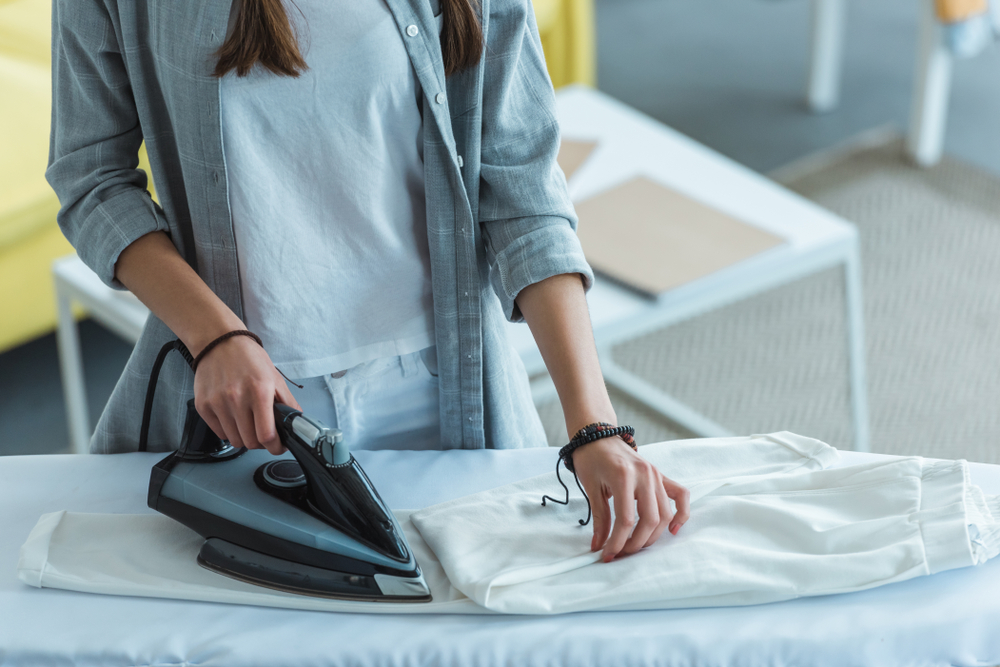
Iron Temperature Guide for Dress Pants by Fabric Type
Choosing the correct temperature is essential when learning how to get wrinkles out of dress pants without damaging them.
| Fabric Type | Recommended Setting | Steam Use | Notes |
| Wool | Medium (300°F / 150°C) | Yes | Always use a press cloth to prevent shine |
| Cotton | High (400°F / 200°C) | Yes | Can tolerate higher heat |
| Polyester | Low (275°F / 135°C) | Light steam | Avoid direct high heat |
| Linen | High | Yes | Iron while slightly damp |
| Blends | Lowest fiber setting | Moderate | Follow the most delicate fiber |
Always start lower and increase gradually if needed.
Ironing vs. Steaming vs. Dry Cleaning — Which Is Best for Dress Pants?
Different care methods suit different situations. Some fabrics respond well to steaming, while others benefit from professional dry cleaning.
| Method | Best For | Pros | Cons |
| Ironing | Structured creases | Sharp finish, precise control | Risk of shine if overheated |
| Steaming | Light wrinkles | Gentle, fast | Doesn’t create crisp creases |
| Dry Cleaning | Delicate fabrics | Professional finish | Cost, chemical exposure |
If you’re preparing dress pants for work, ironing is usually the best option for maintaining a clean crease.
Tips for Ironing Dress Pants Like a Professional
Small adjustments in technique make a big difference in the final result.
Common Mistakes to Avoid
- Using too much heat: Always match the setting to the fabric label.
- Dragging the iron: Press and lift instead of sliding to prevent distortion.
- Ignoring seam alignment: Crooked seams create uneven creases.
- Skipping the press cloth on wool: Direct heat can cause shine.
- Over-ironing: Excess heat weakens fibers over time.
Insider Tips from Professional Tailors
Professional tailors recommend slightly dampening fabric before pressing to achieve a sharper crease. For wool dress pants, always use steam combined with a press cloth.
When learning how to iron dress pants with a crease, press the crease line in short sections rather than one long motion. This keeps the line crisp and prevents shifting.
If you need to iron dress pants without an ironing board, use a firm table covered with a thick towel. The padding mimics an ironing board surface.
Trends & Data Points
According to the American Cleaning Institute, over 70% of households own a steam iron, and garment care remains a consistent part of professional wardrobe maintenance. Studies also show that well-pressed clothing positively influences workplace perception and first impressions.
The rise of hybrid work has increased demand for quick garment-refresh techniques, including steaming and compact irons.
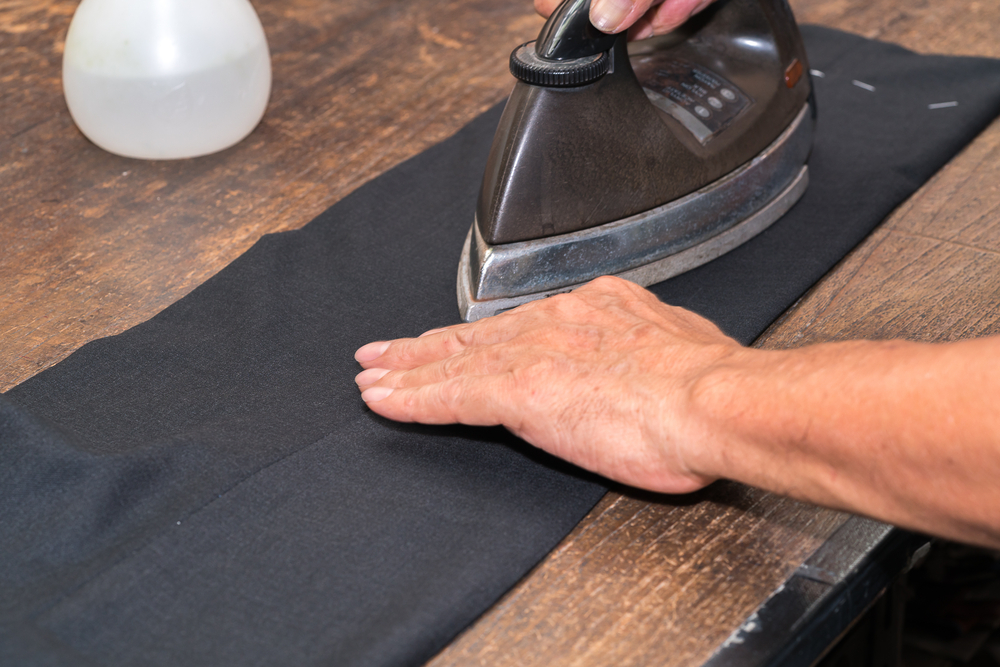
Get a Sharp, Professional Press Every Time
Learning how to iron dress pants properly comes down to preparation, correct heat settings, and careful pressing. Align the seams, use steam wisely, and protect delicate fabrics with a press cloth.
If you’d rather skip the process altogether, SpinXpress, a full-service wash & dry laundromat in Lubbock, TX, offers professional garment care that keeps dress pants crisp and ready for work. For more fabric care advice, explore our related garment care guides.
References
- American Cleaning Institute – Garment Care Statistics
- Textile Care Labeling Standards – Federal Trade Commission
- Fabric Care Guidelines – International Wool Textile Organisation
Frequently Asked Questions (FAQs)
How do you iron dress pants without ruining them?
Start by checking the fabric label and using the correct heat setting. Always press rather than drag the iron and use a press cloth for wool or delicate fabrics. These ironing dress pants tips prevent shine and fiber damage.
What temperature should I use to iron dress pants?
It depends on the fabric. Wool requires medium heat, cotton tolerates high heat, and polyester needs low heat. Refer to the temperature guide table above for safe settings.
Should you iron dress pants inside out?
Turning them inside out is helpful for delicate fabrics or dark colors. This protects the outer surface from shine and heat marks, especially when learning how to iron wool dress pants.
How do you get a sharp crease in dress pants?
Align the inner and outer seams perfectly before pressing. Apply firm pressure with steam in short sections along the crease line. Allow the pants to cool on a hanger to set the crease.
Can you iron dress pants without an ironing board?
Yes. Place a thick towel on a sturdy table to create padding. This method works when you need to iron dress pants without an ironing board, though results may vary slightly.
How often should you iron dress pants?
Iron them when visible wrinkles appear or before formal occasions. For workwear, light pressing once per wear is common. Over-ironing should be avoided to preserve fabric life.