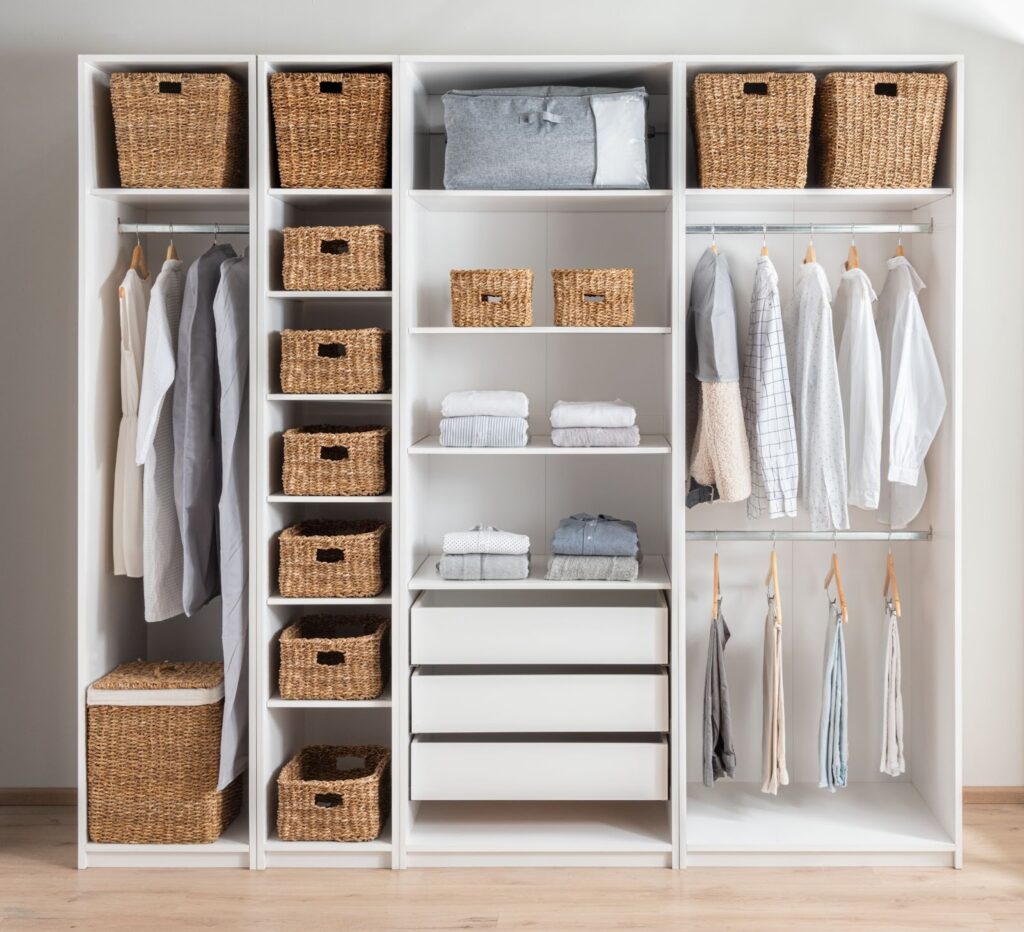
When it comes to folding clothes vs hanging, the right answer depends on fabric, structure, and available space. Some garments keep their shape best on a hanger, while others last longer when folded flat. Choosing the wrong method can cause stretching, creasing, or wasted closet space.
This comparison breaks down should you fold or hang clothes, what works best for each garment type, and how to build a smarter storage system.
Should You Fold or Hang Your Clothes?
The short answer: hang structured and wrinkle-prone garments, fold heavy knits and casual wear. Tailored pieces such as blazers and dress shirts benefit from hanging, while sweaters, jeans, and T-shirts typically last longer when folded.
The key factor is fabric type and garment construction. Structured woven fabrics handle gravity well. Stretchy knits and heavy materials can distort when suspended.
Rule of thumb: if a garment has a shape built into it, hang it. If it stretches easily or is bulky, fold it.
The Science Behind Folding vs Hanging
Understanding what happens physically to clothing helps clarify the best way to store clothes.
What Happens to Clothes When They Are Hung
When clothes hang, gravity pulls the fabric downward. For structured garments like blazers and dress shirts, this can actually help prevent wrinkles. Properly shaped hangers support shoulder seams and preserve the garment’s silhouette.
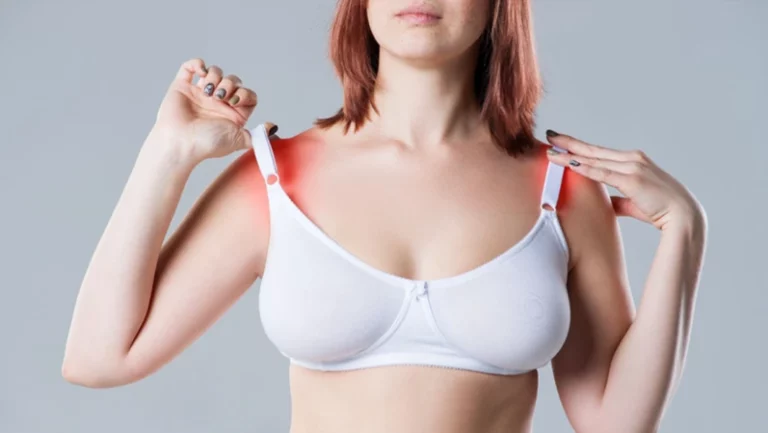
However, hanging clothes can cause stretching in knits, sweaters, and heavy denim. Over time, hanger pressure can create shoulder bumps, especially if thin wire hangers are used. Stretch-prone fabrics such as wool blends and cotton knits are particularly vulnerable.
This explains why people often ask, does hanging clothes cause stretching? For certain fabrics, yes.
What Happens to Clothes When They Are Folded
Folding removes gravitational pull, which protects heavier and stretchable garments. Sweaters maintain their shape better when stored flat.
The downside is fold lines. Woven fabrics, especially linen and cotton dress shirts, can develop visible creases when folded for long periods. Some fibers develop “memory,” meaning repeated folds can become semi-permanent without ironing.
For casual wear, folding works well. For tailored pieces, it can create unnecessary pressing work.
The Role of Fabric Type in the Folding vs Hanging Decision
Fabric structure plays the biggest role:
- Wovens (cotton shirts, linen, dress pants): usually hang best
- Knits (sweaters, T-shirts, activewear): usually fold best
- Heavy fabrics (denim, hoodies): fold to prevent stretching
- Structured garments (suits, blazers): always hang
This sets up a practical garment-by-garment approach.
What to Hang and What to Fold — A Garment-by-Garment Guide
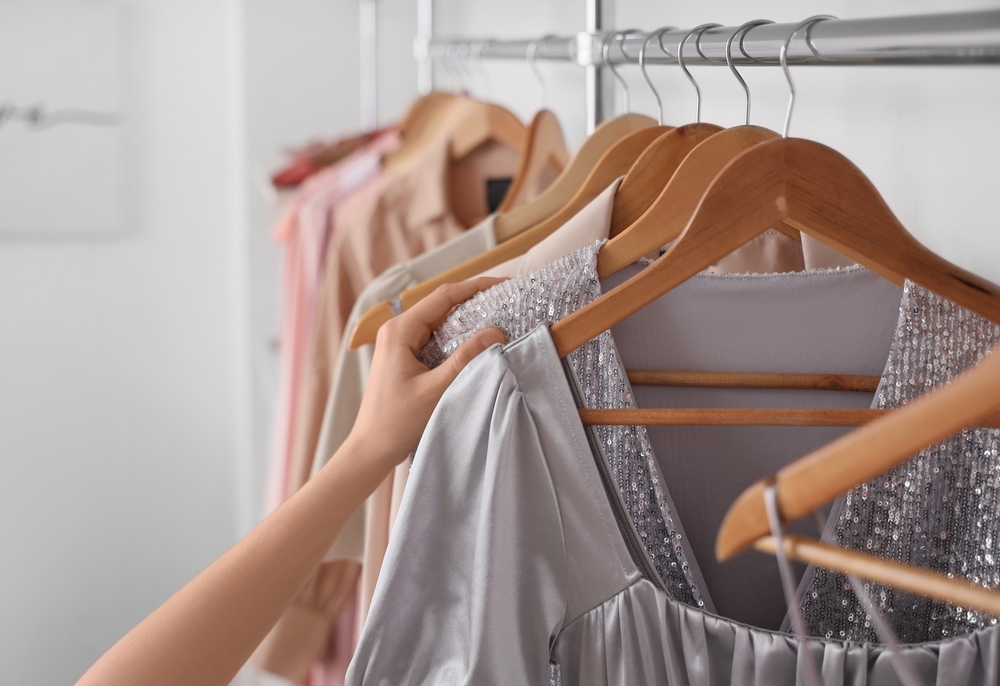
Clothes You Should Always Hang
- Dress shirts and blouses (wrinkle easily; preserve collar structure)
- Suits and blazers (internal structure requires vertical support)
- Dress pants and trousers (maintain crease and prevent fold lines)
- Dresses and skirts (avoid hem creases)
- Linen garments (highly wrinkle-prone)
These items benefit from airflow and vertical support.
Clothes You Should Always Fold
- Sweaters and knitwear (prevent shoulder stretching)
- T-shirts (save rod space; casual wear tolerates folds)
- Jeans and denim (heavy; hanging may stretch waistband)
- Activewear (elastic fibers distort on hangers)
- Hoodies and sweatshirts (bulky and heavy)
- Underwear and socks (drawer storage maximizes space)
If asking, should you fold or hang jeans, folding is usually the better choice.
Clothes Where It Depends
- Casual button-downs
- Lightweight cardigans
- Frequently worn workwear
For these items, the decision may depend on closet size and frequency of use. In small closets, folding may be necessary to free up rod space.
Real-World Scenario: Rethinking a Small Closet With Both Methods
Case Study
A small apartment closet held everything on hangers. The rod was overcrowded, clothes were tightly pressed together, and sweaters had visible shoulder bumps. Jeans sagged slightly at the waistband.
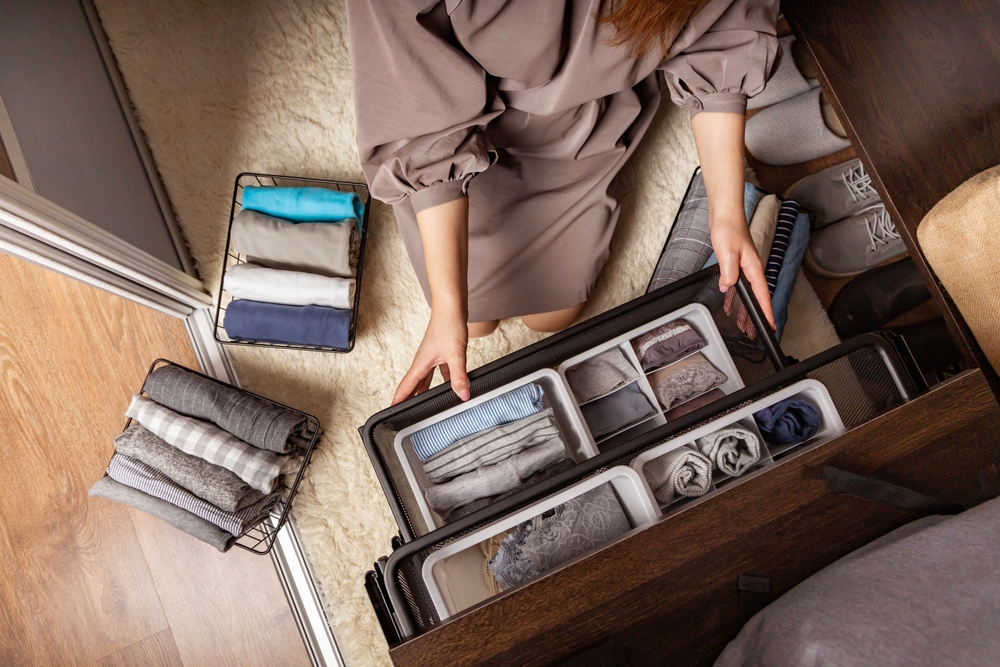
The solution involved folding knitwear, denim, and casual items onto shelves while reserving hanger space for dress shirts, blazers, and work trousers. Vertical drawer folding allowed easy visibility without stacking.
The result was increased rod space, fewer wrinkles, and garments that maintained their original shape longer. The closet felt organized without adding square footage.
Folding vs Hanging
Choosing between hanging vs folding clothes is less about preference and more about purpose.
Table 1: Folding vs Hanging Clothes — Head-to-Head Comparison
| Factor | Folding | Hanging | Winner |
| Space Efficiency | ✅ Saves rod space; uses drawer/shelf space | ❌ Requires closet rod; uses vertical space | Folding (for small closets) |
| Wrinkle Prevention | ⚠️ Can cause fold creases if overdone | ✅ Prevents fold creases for wovens | Hanging (for woven fabrics) |
| Prevents Stretching | ✅ No gravitational pull on fibers | ❌ Can cause stretch in knits/heavy fabrics | Folding (for knits) |
| Preserves Garment Shape | ✅ Best for knitwear and casual items | ✅ Best for structured/tailored garments | Depends on garment type |
| Accessibility / Visibility | ⚠️ Items at bottom of stack harder to see | ✅ Easy to browse and select items | Hanging |
| Fabric Care Longevity | ✅ No hanger pressure or stretch marks | ⚠️ Risk of hanger bumps if wrong hanger used | Folding (if done correctly) |
Table 2: Quick Reference — Should You Fold or Hang Each Garment Type?
| Garment Type | Fold or Hang? | Reason | Storage Tip |
| Dress shirts / blouses | 🪝 Hang | Wrinkle easily; structured collar/cuffs | Use slim velvet hangers; button top button |
| Suits / blazers | 🪝 Hang | Internal structure requires hanging | Wide contoured hanger; cedar spacers |
| Dress pants / trousers | 🪝 Hang | Preserves front crease; prevents fold lines | Clamp hanger at cuff or trouser bar |
| Dresses / skirts | 🪝 Hang | Prevents hem creases; maintains silhouette | Use padded hangers for delicates |
| Linen garments | 🪝 Hang | Extremely wrinkle-prone | Allow breathing room between items |
| Sweaters / knitwear | 📂 Fold | Hanging causes shoulder stretch | Store flat on shelf; fold in thirds |
| T-shirts | 📂 Fold | Save rod space; no wrinkle risk for casual wear | Vertical KonMari fold in drawer |
| Jeans / denim | 📂 Fold | Heavy; stretches on hanger over time | Fold in half, then thirds |
| Activewear | 📂 Fold | Stretchy fabrics distort on hangers | Flat fold in dedicated drawer |
| Hoodies / sweatshirts | 📂 Fold | Too bulky and heavy for hanging | Stack on shelf or fold vertically |
| Underwear / socks | 📂 Fold | No hanging benefit; maximize drawer space | Roll or fold in small sections |
| Casual button-downs | ⚠️ Either | Depends on fabric weight and occasion | Hang if worn to work; fold if weekend only |
Tips for Maximizing Your Wardrobe Storage System
Common Mistakes to Avoid
- Overloading hangers → Leave space between garments
- Using thin wire hangers → Choose contoured or padded options
- Stacking folded items too high → Use vertical folding
- Ignoring fabric type → Match method to material
Professional Organizer Best Practices
Professional organizers often recommend a hybrid system: dedicate 60% of rod space to structured pieces and 40% of shelf space to folded knits and denim. Uniform hangers create visual consistency and improve airflow.
Seasonal rotation also prevents overcrowding and preserves garment quality.
Trends & Data Points
Home organization trends show growing use of vertical drawer folding systems and slim velvet hangers to maximize space. Closet optimization remains one of the most searched home-organization topics, especially in small urban apartments.
The Best Wardrobe Is One That Uses Both Methods Strategically
The answer to folding clothes vs hanging is rarely either/or. Structured garments benefit from hanging. Stretch-prone and heavy fabrics last longer when folded. A balanced system protects your clothes and maximizes closet space.
For garments that need professional-level care before storage, SpinXpress, a full-service wash & dry laundromat in Chicago, IL, provides high-quality laundry services.
References
- Fabric Fabric | Understanding Fabric Care Basics for All Textiles
- Professional Organizer Industry Reports
- Home Storage Trends Data
Frequently Asked Questions (FAQs)
Should jeans be folded or hung?
Jeans are best folded. Denim is heavy, and hanging may stretch the waistband over time.
Do hanging clothes stretch them out?
Yes, especially knit fabrics and heavy garments. Gravity pulls fibers downward.
Is it better to fold or hang T-shirts?
Folding is usually better for T-shirts. It saves space and avoids hanger marks.
What clothes should always be hung?
Dress shirts, suits, blazers, dresses, and trousers benefit from hanging.
What clothes should always be folded?
Sweaters, knitwear, jeans, hoodies, activewear, and casual items should be folded.
How do you save closet space when you have too many clothes?
Use vertical folding in drawers, slim hangers, seasonal rotation, and a mix of folding vs hanging for closet organization.